
An Anterior Cruciate Ligament (ACL) tear is one of the most common knee ligament injuries, particularly among athletes and people who participate in sports involving sudden stops, jumping, pivoting, or changes in direction. An ACL injury can cause knee instability, pain, swelling, and difficulty returning to normal activities. Dr. Naveen Sharma provides evaluation and treatment for ACL injuries, including ACL reconstruction surgery and rehabilitation planning based on the patient's injury, activity level, and recovery goals. If you are looking for an experienced ACL surgeon in India, an early and accurate diagnosis can help you understand your treatment options and make an informed decision. The Anterior Cruciate Ligament (ACL) is one of the major ligaments inside the knee joint. It helps control the movement of the shinbone relative to the thighbone and provides rotational stability during activities such as running, jumping, and changing direction. An ACL tear occurs when this ligament is stretched beyond its normal limits or partially or completely ruptures. It commonly happens during sports injuries, but it can also occur following a fall, a sudden twist of the knee, or an accident. An ACL injury may occur alone or alongside other knee injuries, such as a meniscus tear, cartilage damage, or injury to other ligaments. An ACL tear should be evaluated in the context of instability, activity demands, associated meniscus injury, MRI findings, and rehabilitation goals. This page explains how ACL treatment and reconstruction decisions are made for patients seeking specialist consultation with Dr. Naveen Sharma in Jaipur. Consultation is important when the knee gives way repeatedly, swelling keeps returning, sport or pivoting activity feels unsafe, rehabilitation is not restoring confidence, or meniscus damage is also suspected. ACL treatment planning includes examination, MRI review, associated cartilage or meniscus injury, whether non-surgical management remains practical, graft choice when reconstruction is needed, and the commitment required for rehabilitation. Recovery depends heavily on swelling control, range of motion, strength, neuromuscular training, and stage-wise return to sport. Patients are counselled on stiffness, recurrent instability, graft failure risk, and realistic return timelines rather than shortcuts. The symptoms of an ACL injury can vary depending on the severity of the tear and whether other structures in the knee are damaged. Common signs and symptoms include: Not every ACL tear produces all these symptoms. If you experience significant swelling, severe pain, or difficulty bearing weight, seek prompt medical assessment. ACL tears frequently occur when the knee experiences sudden or excessive rotational forces. Common causes include: Football, basketball, badminton, kabaddi, skiing, and other sports involving rapid movements can increase the risk of ACL injuries. ACL injuries are generally classified according to the extent of ligament damage. Grade 1 – Mild ACL Sprain: The ligament is stretched but continues to provide stability to the knee. Grade 2 – Partial ACL Tear: The ligament is partially torn and may provide reduced stability. Grade 3 – Complete ACL Tear: The ligament is completely ruptured, often resulting in significant knee instability. The grade of injury alone does not determine whether surgery is necessary. Your symptoms, physical examination, associated injuries, activity requirements, and knee stability all influence the treatment decision. An accurate diagnosis is essential for choosing the appropriate ACL treatment. Clinical examination: The doctor evaluates knee swelling, movement, tenderness, and ligament stability using specific physical examination tests. MRI scan: An MRI can help identify an ACL tear and assess associated injuries involving the meniscus, cartilage, and other ligaments. X-rays: X-rays may be recommended to identify fractures or other bone-related problems. They do not directly show the ACL itself. The diagnosis and treatment plan are based on the complete clinical assessment and imaging findings, rather than an MRI report alone. The best treatment for an ACL tear depends on the patient's age, activity level, knee stability, injury severity, and associated damage. Some patients can manage an ACL injury without surgery, particularly when the knee remains stable during their desired activities. Non-surgical treatment may include: Rehabilitation is important whether or not surgery is performed. Patients with repeated episodes of knee instability should be reassessed because ongoing instability may increase the risk of additional knee damage. ACL reconstruction is commonly considered for patients with significant knee instability, those who want to return to pivoting sports, or those with associated injuries that influence treatment decisions. During ACL reconstruction, the damaged ligament is replaced with a graft, often obtained from the patient's own tendon. The graft is positioned and secured to help restore knee stability. The procedure is generally performed using arthroscopic techniques through small incisions. The exact surgical approach and graft selection depend on the individual patient's needs. The goal of ACL reconstruction is to improve knee stability and support a safe return to appropriate activities. Surgery does not guarantee a return to the previous level of sports performance, and rehabilitation remains essential. ACL reconstruction techniques have evolved to address different injury patterns, activity requirements, and anatomical considerations. Graft selection may involve the patellar tendon, hamstring tendons, or quadriceps tendon. The most appropriate option depends on factors such as the patient's age, sporting goals, anatomy, previous surgery, and associated injuries. In selected cases, additional procedures may be considered to address rotational instability or other specific clinical findings. Dr. Naveen Sharma evaluates ACL injuries and discusses suitable treatment options based on the patient's clinical condition and recovery goals. ACL recovery takes time and requires a structured rehabilitation programme. Recovery varies according to the type of injury, surgical procedure, graft selection, associated injuries, and individual progress. Early recovery: The initial focus is on controlling swelling, regaining knee extension, improving movement, and activating the quadriceps muscles. Strengthening phase: Physiotherapy progressively develops strength, balance, coordination, and control of the operated leg. Running and sports-specific training: Patients progress to running, jumping, landing, and direction-changing activities when they meet appropriate clinical and functional criteria. Return to sports: Return to competitive sports commonly takes around 9–12 months or longer after ACL reconstruction, depending on recovery and sport-specific demands. Time alone is not sufficient to determine readiness; strength, movement quality, stability, psychological readiness, and functional testing should also be considered. Following the prescribed rehabilitation plan and attending follow-up appointments are important parts of recovery. Outstation and Jaipur patients can use the contact page to plan ACL review in Jaipur. Related pages: ACL reconstruction surgery, meniscus treatment, and orthopedic FAQs.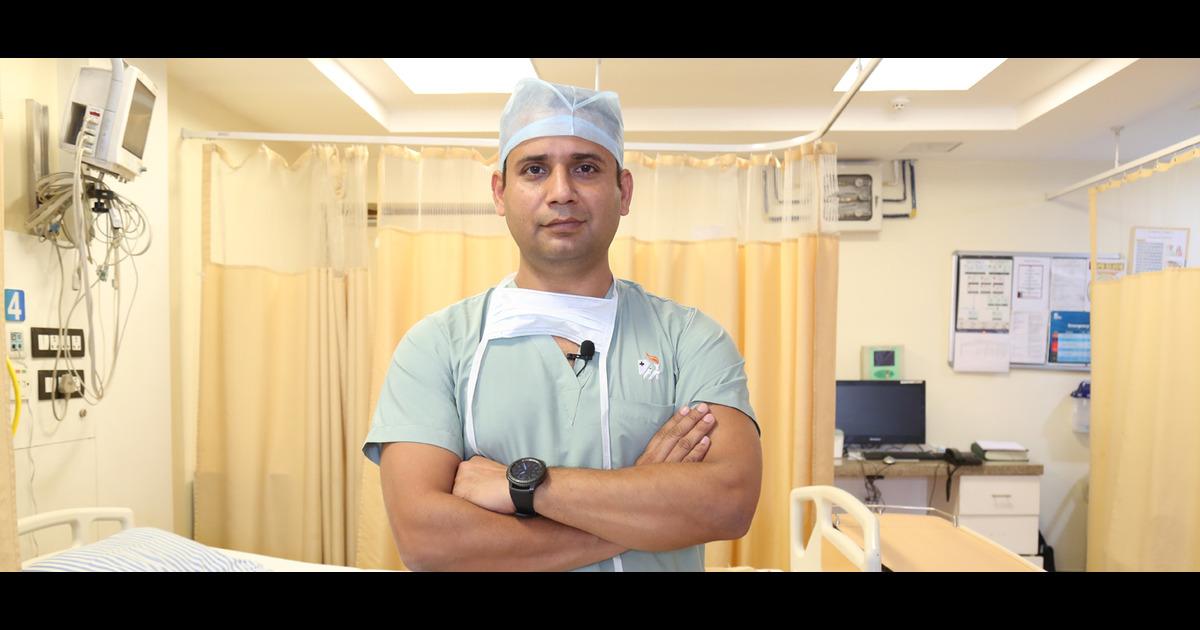
ACL Tear Treatment in India – Expert ACL Surgeon Dr. Naveen Sharma
What Is an ACL Tear?
Who should seek a specialist review
Evaluation and surgery decision
Rehabilitation, risks, and return to activity
Common Symptoms of an ACL Tear
What Causes an ACL Tear?
Types and Grades of ACL Injuries
How Is an ACL Tear Diagnosed?
ACL Tear Treatment Options
1. Non-Surgical ACL Treatment
2. ACL Reconstruction Surgery
Advanced ACL Reconstruction and Graft Selection
Recovery After ACL Reconstruction Surgery
Consultation CTA
ACL Treatment Videos
Dr. Naveen Sharma is not only a trusted Orthopaedic Surgeon in Jaipur but also a well-known medical educator who is helping people across India better understand their bone and joint health. Through his educational videos, he explains complex orthopaedic conditions, treatment options, and recovery in simple, easy-to-understand language—helping patients make more informed decisions about their health.

Fast-Track Recovery Milestones
See the actual hour-by-hour and day-by-day rehabilitation milestones for ACL Treatment achieved by Dr. Naveen Sharma’s tissue-preserving protocols. Click any milestone to explore.
Same-Day Bedside Standing & Walking Zero Muscle Cut (Day 0 Mobilization)
Thanks to true muscle-sparing ACL Treatment and Subvastus Knee Replacement, zero tendons or muscle bellies are detached. Patients bear full body weight and walk bedside within 4 hours of surgery under physiotherapist guidance.
Frequently Asked Questions
Clear, factual answers to common questions about ACL Treatment
An ACL injury is a tear or sprain of the anterior cruciate ligament in the knee. It commonly occurs during sports, sudden twisting movements, falls, or accidents and can cause pain, swelling, and knee instability.
Common symptoms include sudden knee pain, swelling, difficulty walking, reduced knee movement, and a feeling that the knee may give way. Some patients also hear or feel a “pop” at the time of injury.
Not every ACL injury requires surgery. Treatment depends on the severity of the tear, knee stability, activity level, age, associated injuries, and individual goals. Some patients may improve with structured physiotherapy and rehabilitation, while others may benefit from ACL reconstruction.
Recovery varies from person to person. Most patients require several months of structured rehabilitation to regain strength, stability, and movement. Returning to sports or high-impact activities should be based on functional recovery and the advice of the treating orthopedic specialist.
You should consult an orthopedic or sports injury specialist if you experience persistent knee pain, swelling, instability, or difficulty returning to normal activities after a knee injury. Early assessment can help identify an ACL tear and determine the appropriate treatment plan.
Real Patient Recovery Stories
Read firsthand accounts from patients who regained pain-free mobility and resumed their careers, sports, and active daily lives at AOSIH.
Take the First Step Towards Pain-Free Living
Schedule an in-person consultation with Dr. Naveen Sharma at AOSIH Jaipur or request a rapid digital second opinion for outstation patients.
