
Meniscus tear treatment depends on the type of tear, locking or catching symptoms, swelling pattern, knee stability, MRI findings, and whether tissue preservation is possible. This page explains how meniscus injury is evaluated for patients seeking specialist review with Dr. Naveen Sharma in Jaipur. Consultation is useful for twisting injuries, knee locking, clicking, recurrent swelling, pain during squatting or stairs, sports injury, or MRI-confirmed meniscus damage that has not improved with rehabilitation. Treatment selection depends on tear location, tear pattern, tissue quality, age, activity level, and whether ACL or cartilage injury is also present. The aim is to preserve useful meniscal tissue when repair is likely to heal and to avoid unnecessary surgery where rehabilitation remains appropriate. Patients are counselled on weight-bearing, swelling control, knee bending milestones, physiotherapy, re-tear risk, and return-to-activity expectations after repair or partial meniscectomy. Use the contact page to share MRI or symptoms for review in Jaipur. Related pages: knee treatment, ACL care, and orthopedic FAQs.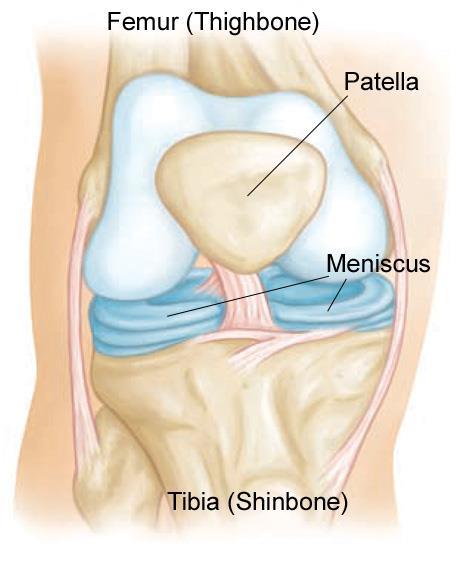
Who should seek review
Repair versus trimming decision
Recovery and follow-up
Consultation CTA
Meniscus Tear Videos
Dr. Naveen Sharma is not only a trusted Orthopaedic Surgeon in Jaipur but also a well-known medical educator who is helping people across India better understand their bone and joint health. Through his educational videos, he explains complex orthopaedic conditions, treatment options, and recovery in simple, easy-to-understand language—helping patients make more informed decisions about their health.

Fast-Track Recovery Milestones
See the actual hour-by-hour and day-by-day rehabilitation milestones for Meniscus Tear achieved by Dr. Naveen Sharma’s tissue-preserving protocols. Click any milestone to explore.
Same-Day Bedside Standing & Walking Zero Muscle Cut (Day 0 Mobilization)
Thanks to true muscle-sparing Meniscus Tear and Subvastus Knee Replacement, zero tendons or muscle bellies are detached. Patients bear full body weight and walk bedside within 4 hours of surgery under physiotherapist guidance.
Frequently Asked Questions
Clear, factual answers to common questions about Meniscus Tear
A meniscus tear is an injury to the rubbery cartilage between the thigh bone and shin bone in the knee. It can occur due to sports injuries, sudden twisting, squatting, or age-related wear and tear.
Common symptoms include knee pain, swelling, stiffness, difficulty bending or straightening the knee, clicking or locking sensations, and a feeling that the knee may give way.
Some meniscus tears can improve with rest, physiotherapy, medication, and activity modification. The appropriate treatment depends on the location and size of the tear, symptoms, age, activity level, and overall condition of the knee.
Surgery may be considered when symptoms persist despite non-surgical treatment, or when the tear causes significant locking, instability, or ongoing pain. Depending on the injury, treatment may involve meniscus repair or partial meniscectomy.
Recovery time varies depending on the severity of the tear and the treatment provided. Minor injuries may improve within weeks, while recovery after meniscus surgery can take several weeks to months, particularly when a meniscus repair is performed.
Real Patient Recovery Stories
Read firsthand accounts from patients who regained pain-free mobility and resumed their careers, sports, and active daily lives at AOSIH.
Take the First Step Towards Pain-Free Living
Schedule an in-person consultation with Dr. Naveen Sharma at AOSIH Jaipur or request a rapid digital second opinion for outstation patients.
