
Knee Arthroscopy – Advanced Minimally Invasive Knee Surgery
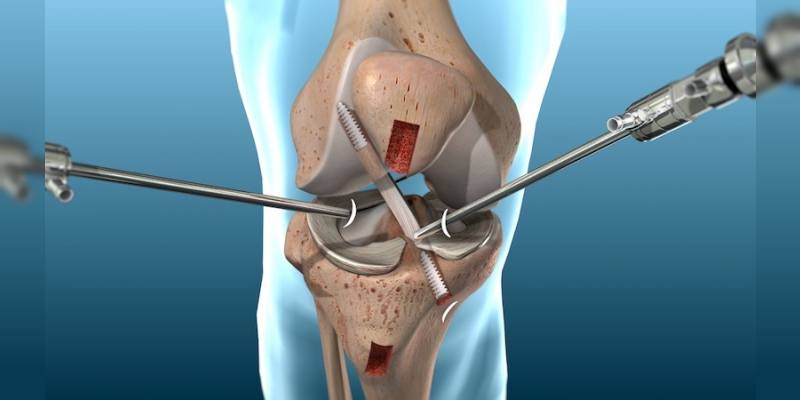
Knee arthroscopy is a minimally invasive surgical procedure used to diagnose and treat various knee joint problems. It involves inserting a small camera, called an arthroscope, through a tiny incision to examine the inside of the knee. Specialised surgical instruments can then be used to treat the affected area with precision.
Dr. Naveen Sharma provides specialised evaluation and treatment for knee injuries and joint conditions, helping patients understand their treatment options and recovery expectations. Depending on the condition, knee arthroscopy surgery may help reduce symptoms, restore knee function, and support a safe return to daily activities.
If you are experiencing persistent knee pain, swelling, locking, or difficulty bending your knee, a proper orthopedic assessment can help determine whether knee arthroscopy is suitable for you.
What Is Knee Arthroscopy?
Knee arthroscopy is a keyhole surgical technique that allows an orthopedic surgeon to examine and treat problems inside the knee joint through small incisions. A thin camera transmits images of the joint to a monitor, enabling the surgeon to identify damaged tissues and perform the necessary procedure.
Unlike traditional open surgery, arthroscopic surgery generally involves smaller incisions and less disruption to the surrounding tissues. However, recovery time and outcomes depend on the specific condition being treated, the procedure performed, and the patient's overall health.
Knee arthroscopy is commonly used to treat selected meniscus tears, loose fragments inside the joint, certain cartilage injuries, and some ligament-related conditions.
Conditions Treated with Knee Arthroscopy
Knee arthroscopy may be recommended for selected knee injuries and joint conditions when non-surgical treatment is insufficient or when a specific problem requires surgical management.
1. Meniscus Tear
The meniscus is a piece of cartilage that acts as a cushion between the thighbone and shinbone. A tear can occur during sports, sudden twisting movements, or age-related degeneration. Depending on the type and location of the tear, arthroscopic surgery may involve repairing the meniscus or removing only the damaged portion when necessary.
2. ACL Injury
The anterior cruciate ligament (ACL) helps stabilise the knee joint. An ACL tear may cause instability, particularly during running, jumping, or changing direction. When reconstruction is indicated, the procedure is commonly performed using arthroscopic techniques to restore knee stability.
3. Cartilage Injury
Damage to the smooth cartilage covering the bones inside the knee can cause pain, swelling, and restricted movement. Selected cartilage injuries may be treated using arthroscopic techniques, depending on the extent and location of the damage.
4. Loose Bodies in the Knee
Small fragments of bone or cartilage can sometimes move freely within the knee joint. These loose bodies may cause catching, locking, pain, or swelling. Knee arthroscopy can be used to locate and remove suitable loose fragments.
5. Knee Joint Inflammation
In selected cases, arthroscopy may help assess or treat certain causes of persistent inflammation inside the knee joint. The underlying cause must be identified before surgery is considered.
6. PCL and Other Ligament Injuries
Some posterior cruciate ligament (PCL) and other ligament injuries may require surgical treatment. Arthroscopy can be part of the surgical approach in selected cases, depending on the injury's severity and associated damage.
Important: Knee arthroscopy is not necessary for every knee problem. It is generally not recommended as a routine treatment for knee osteoarthritis alone or for every degenerative meniscus tear. Treatment should be based on clinical findings, imaging, symptoms, and individual needs.
Benefits of Knee Arthroscopy
When appropriately indicated, knee arthroscopy may offer several benefits compared with traditional open surgery.
- Small incisions: The procedure is performed through small surgical openings.
- Targeted treatment: A camera helps the surgeon visualise structures inside the knee joint.
- Potentially less tissue disruption: Many arthroscopic procedures involve less disruption to surrounding tissues.
- Reduced postoperative discomfort in some procedures: Pain varies depending on the type of surgery.
- Support for functional recovery: Rehabilitation can help restore movement, strength, and stability.
- Return to daily activities: Recovery planning is tailored to the patient's condition and surgical procedure.
The benefits and risks differ between procedures, and arthroscopy does not guarantee complete pain relief or prevent future joint problems.
When Do You Need Knee Arthroscopy?
Your orthopedic specialist may consider knee arthroscopy if you have:
- Persistent knee pain that has not improved with appropriate treatment.
- Recurrent swelling following a knee injury.
- Mechanical locking or catching caused by a treatable problem inside the joint.
- A selected meniscus tear or cartilage injury requiring surgical treatment.
- Knee instability associated with a ligament injury.
- A loose fragment affecting knee movement.
Your doctor may recommend a physical examination, X-rays, MRI, or other investigations to understand the cause of your symptoms. The final treatment decision depends on your diagnosis, activity level, and overall health.
Knee Arthroscopy Procedure: What to Expect
Step 1: Consultation and Evaluation
The surgeon reviews your symptoms, medical history, physical examination findings, and relevant imaging reports to determine the cause of your knee problem.
Step 2: Preparation for Surgery
If surgery is appropriate, you will receive instructions about medications, fasting, anaesthesia, and other preoperative requirements.
Step 3: Arthroscopic Surgery
The procedure is performed using appropriate anaesthesia. Small incisions are made around the knee, and an arthroscope is inserted to visualise the joint. Specialised instruments are used to carry out the planned treatment.
The duration of surgery varies according to the condition being treated and whether additional procedures are required.
Step 4: Postoperative Care
After surgery, the medical team monitors your recovery and provides instructions regarding wound care, pain management, walking, and follow-up appointments.
Step 5: Physiotherapy and Rehabilitation
Rehabilitation may include gentle movement exercises, muscle strengthening, balance training, and progressive activity. The rehabilitation plan depends on the procedure performed and the surgeon's instructions.
Recovery After Knee Arthroscopy
Recovery after knee arthroscopy varies significantly. Some patients resume routine activities within a relatively short period, while procedures such as meniscus repair or ACL reconstruction require a longer rehabilitation programme.
Your recovery may involve:
- Managing pain and swelling according to medical advice.
- Keeping the surgical wound clean and following dressing instructions.
- Using crutches or other support if recommended.
- Performing prescribed physiotherapy exercises.
- Gradually increasing walking and other activities.
- Avoiding sports and strenuous exercise until cleared by your surgeon.
Do not rush your return to sports or heavy physical activity. Following the recommended rehabilitation plan is essential for protecting the healing tissues and improving knee function.
Contact your healthcare provider promptly if you develop fever, increasing redness or drainage from the wound, severe or worsening pain, significant calf swelling, or other concerning symptoms. Sudden breathlessness or chest pain requires emergency medical attention.
Is Knee Arthroscopy Safe?
Knee arthroscopy is commonly performed, but like any surgical procedure, it carries potential risks. These include infection, bleeding, blood clots, stiffness, persistent pain, anaesthesia-related complications, and injury to nearby structures.
The likelihood of complications depends on individual health factors and the type of procedure performed. Your surgeon can explain the expected benefits, possible risks, and alternative treatments before you make a decision.
Knee Arthroscopy vs. Open Knee Surgery
Knee arthroscopy uses a camera and small incisions to access the joint, whereas open surgery uses a larger incision to expose the surgical area. Arthroscopy is suitable for many selected conditions inside the knee, but it is not the best approach for every injury or disease.
The choice of surgical technique depends on the diagnosis, the extent of damage, the planned treatment, and the surgeon's clinical assessment.
Why Choose Dr. Naveen Sharma for Knee Treatment?
Choosing the right orthopedic specialist is an important step towards managing knee pain and injury. Dr. Naveen Sharma focuses on evaluating knee conditions and discussing treatment options according to each patient's needs.
Patients can expect an approach that emphasises:
- Assessment of knee pain, injuries, and movement limitations.
- Individualised treatment planning based on the diagnosis.
- Discussion of non-surgical and surgical treatment options.
- Guidance on postoperative care and rehabilitation.
- Follow-up to monitor recovery and functional progress.
The most appropriate treatment depends on the patient's specific condition and medical assessment.
Book a Consultation for Knee Arthroscopy
Persistent knee pain, swelling, locking, or instability can interfere with walking, work, exercise, and everyday activities. Early assessment can help identify the cause and determine the most suitable treatment.
If you are considering knee arthroscopy surgery, schedule a consultation with Dr. Naveen Sharma to discuss your symptoms, diagnostic reports, treatment options, and expected recovery.
Book your consultation today to take the next step towards better knee health and mobility.
