
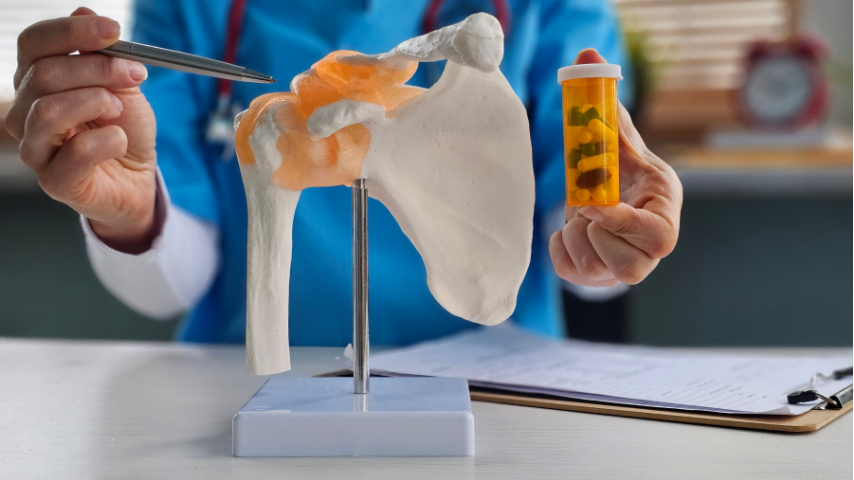
Shoulder Arthroscopy – Advanced Minimally Invasive Shoulder Surgery
Shoulder arthroscopy is an advanced, minimally invasive surgical procedure used to diagnose and treat various shoulder problems. It helps manage conditions such as rotator cuff tears, shoulder instability, labral injuries, shoulder impingement, and certain cartilage problems. The procedure uses a small camera called an arthroscope and specialized surgical instruments to examine and treat the affected area through small incisions.
If you are experiencing persistent shoulder pain, restricted movement, weakness, or repeated shoulder dislocations, shoulder arthroscopy may be a suitable treatment option depending on your condition. Dr. Naveen Sharma provides specialized orthopedic care to help patients understand their treatment options and work towards improved shoulder function and mobility.
What Is Shoulder Arthroscopy?
Shoulder arthroscopy is a minimally invasive surgical technique that allows an orthopedic surgeon to examine the inside of the shoulder joint using a thin camera. The camera displays detailed images on a monitor, helping the surgeon identify the underlying problem and perform the required treatment.
Unlike traditional open surgery, shoulder arthroscopy generally requires smaller incisions and may result in less soft-tissue disruption. Recovery time varies depending on the type of shoulder injury, the procedure performed, and the patient's rehabilitation progress.
When Is Shoulder Arthroscopy Required?
Shoulder arthroscopy may be recommended when non-surgical treatments, such as medication, activity modification, and physiotherapy, do not provide sufficient relief or when a specific injury requires surgical treatment.
Common conditions treated with shoulder arthroscopy include:
- Rotator Cuff Tears: Repairing damaged tendons that cause shoulder pain, weakness, and difficulty lifting the arm.
- Shoulder Dislocation and Instability: Treating recurrent dislocations and repairing damaged supporting tissues, including selected Bankart lesions.
- Labral Tears: Treating injuries to the labrum, the cartilage-like tissue that helps stabilize the shoulder joint.
- Shoulder Impingement: Addressing selected cases where tissues around the shoulder become irritated or compressed during movement.
- Biceps Tendon Problems: Treating certain injuries involving the long head of the biceps tendon.
- Loose Bodies in the Shoulder: Removing loose fragments of bone or cartilage when they cause pain, catching, or restricted movement.
- Selected Cartilage and Joint Problems: Assessing and treating specific abnormalities inside the shoulder joint.
The appropriate procedure depends on the diagnosis, the severity of the injury, and the patient's activity level and overall health.
Benefits of Shoulder Arthroscopy
Shoulder arthroscopy offers several potential advantages for appropriately selected patients.
- Small surgical incisions compared with traditional open surgery.
- Less disruption of surrounding soft tissues in many procedures.
- Detailed visualization of the shoulder joint.
- Treatment of several shoulder conditions through a minimally invasive approach.
- Potentially less postoperative discomfort and scarring.
- The possibility of an earlier return to daily activities compared with some open procedures.
Important: These benefits are not guaranteed for every patient. Recovery depends on the specific procedure, the extent of the injury, and adherence to the recommended rehabilitation plan.
How Is Shoulder Arthroscopy Performed?
Shoulder arthroscopy is generally performed in a hospital or surgical centre under appropriate anesthesia. The exact steps depend on the condition being treated.
1. Shoulder Evaluation
The surgeon reviews your symptoms, medical history, physical examination findings, and imaging tests, such as X-rays or MRI scans when needed.
2. Anesthesia and Positioning
Anesthesia is administered to keep you comfortable during the procedure. The surgical team positions your arm to provide safe access to the shoulder joint.
3. Small Incisions
Small incisions are made around the shoulder to introduce the arthroscope and specialized instruments.
4. Examination and Treatment
The surgeon examines the joint on a monitor and performs the required procedure, such as repairing a torn rotator cuff, treating a labral injury, or removing loose tissue.
5. Closure and Recovery
The instruments are removed, and the incisions are closed and dressed. You are then monitored during recovery and given postoperative care instructions.
Recovery After Shoulder Arthroscopy
Recovery after shoulder arthroscopy varies considerably according to the procedure performed. Some patients can resume light daily activities relatively early, while tendon repairs and shoulder stabilization procedures usually require a longer rehabilitation period.
Early Recovery
A sling may be required to protect the shoulder and support healing. Pain management, wound care, and following the surgeon's instructions are important during this stage.
Physiotherapy and Rehabilitation
A structured physiotherapy programme helps restore shoulder mobility, improve strength, and gradually rebuild function. The timing and intensity of exercises depend on the tissues repaired and the surgeon's rehabilitation protocol.
Return to Work and Sports
The time needed to return to work, driving, exercise, and sports depends on the type of surgery and the demands of the activity. Heavy lifting and overhead sports should be resumed only when your treating surgeon confirms that it is safe.
Following medical advice and attending scheduled follow-up appointments can help support a safe recovery.
Is Shoulder Arthroscopy Safe?
Shoulder arthroscopy is commonly performed and is generally considered safe when appropriately indicated. However, like all surgical procedures, it carries potential risks. These may include infection, bleeding, stiffness, blood clots, nerve or blood vessel injury, anesthesia-related complications, and incomplete symptom relief or recurrent injury.
A detailed assessment helps the surgeon explain the potential benefits, risks, and alternatives relevant to your individual condition.
Who Is a Suitable Candidate for Shoulder Arthroscopy?
Shoulder arthroscopy may be considered for patients who have:
- Persistent shoulder pain despite appropriate non-surgical treatment.
- A confirmed rotator cuff tear or labral injury requiring repair.
- Recurrent shoulder dislocation or instability.
- Restricted shoulder movement associated with a treatable structural problem.
- An injury that interferes with daily activities, work, or sports.
Not every shoulder problem requires surgery. Your orthopedic surgeon will recommend treatment based on your symptoms, examination, imaging findings, and personal goals.
Why Choose Dr. Naveen Sharma for Shoulder Treatment?
Choosing the right orthopedic specialist is an important step towards managing shoulder pain and restoring movement. Dr. Naveen Sharma focuses on evaluating shoulder conditions, explaining available treatment options, and developing an individualized management plan.
Patients receive guidance regarding diagnosis, surgical suitability, postoperative care, and rehabilitation according to their condition.
- Evaluation of common shoulder injuries and joint problems.
- Individualized treatment planning.
- Guidance on arthroscopic and non-surgical treatment options.
- Rehabilitation advice to support recovery and shoulder function.
- Follow-up care based on individual recovery needs.
Discuss your symptoms with a qualified orthopedic specialist to determine the most appropriate treatment for your shoulder.
