
Knee stiffness is a common problem that can make it difficult to bend or straighten the knee, walk comfortably, climb stairs, or perform everyday activities. It may develop after a knee injury, surgery, prolonged inactivity, arthritis, or inflammation around the joint. Some people experience stiffness mainly in the morning or after sitting for a long time, while others have persistent difficulty moving their knee. Identifying the underlying cause is essential for choosing the right treatment and improving knee mobility. Dr. Naveen Sharma evaluates knee conditions and helps patients understand appropriate treatment options based on their symptoms, clinical findings, and recovery goals. If you are looking for knee stiffness treatment in India, an accurate diagnosis and a personalised treatment plan can help you work towards better movement and function. Knee stiffness refers to difficulty moving the knee through its normal range of motion. It may affect bending, straightening, or both movements. Stiffness can occur with or without pain and swelling. In some cases, it improves after gentle movement. In others, it persists and interferes with walking, sitting, standing, or other routine activities. Knee stiffness is a symptom rather than a disease itself. Treatment depends on identifying the underlying cause, which may involve the joint cartilage, ligaments, tendons, muscles, joint capsule, or surrounding tissues. The symptoms of knee stiffness vary depending on the cause and severity of the condition. Common symptoms include: If the knee becomes suddenly very painful, hot, red, or significantly swollen, especially with fever, seek urgent medical assessment. A knee that becomes locked or cannot straighten also requires prompt evaluation. Knee stiffness can develop for several reasons. Common causes include the following. Osteoarthritis is a common cause of knee stiffness, particularly in older adults. Changes in the joint cartilage and surrounding structures can cause pain, swelling, and reduced movement. Stiffness may be more noticeable after waking up or sitting for an extended period. Some patients develop stiffness after knee procedures, including ACL reconstruction and total knee replacement. Swelling, pain, scar tissue formation, and difficulty regaining movement can contribute to restricted mobility. Early assessment and an appropriate rehabilitation plan are important. Persistent or worsening stiffness after surgery should be discussed with the treating surgeon. An ACL tear or another knee ligament injury may cause swelling and difficulty moving the knee. Associated meniscus injuries or prolonged protection of the knee can also contribute to stiffness. A meniscus tear can cause pain, swelling, catching, or restricted movement. A displaced tear may mechanically block knee movement, making it difficult to straighten the leg. Keeping the knee still for a long time after an injury or illness can lead to reduced flexibility, muscle weakness, and restricted joint movement. Inflammatory arthritis, bursitis, and other conditions affecting the knee can cause swelling and stiffness. The appropriate treatment depends on the specific diagnosis. A proper assessment helps identify the cause of restricted knee movement and determine the most suitable treatment. Medical history: The doctor asks when stiffness started, whether it followed an injury or surgery, and whether symptoms are worse in the morning or after inactivity. Physical examination: Knee movement, swelling, tenderness, muscle strength, alignment, and joint stability may be assessed. X-rays: These may help identify osteoarthritis, changes in bone alignment, or other bony abnormalities. MRI scan: An MRI may be recommended when a ligament injury, meniscus tear, cartilage problem, or another soft-tissue condition is suspected. Blood tests: These may be appropriate if an inflammatory condition or joint infection is suspected. Not every patient needs every test. Investigations are selected according to the clinical findings. Treatment for knee stiffness depends on its cause, severity, duration, and effect on daily activities. Many patients improve with appropriate non-surgical care, while some require additional procedures or treatment of the underlying condition. Physiotherapy is an important part of treatment for many causes of knee stiffness. A supervised rehabilitation programme may include: Exercises should be selected according to the underlying diagnosis. Forcing a painful or mechanically blocked knee to bend or straighten can worsen symptoms. When appropriate, a medical professional may recommend pain-relieving or anti-inflammatory medicines. Ice, elevation, and temporary modification of aggravating activities may also help manage symptoms associated with swelling. Medication choices depend on the patient's medical history and other health conditions. When osteoarthritis is responsible for knee stiffness, treatment may include exercise therapy, strengthening, weight management when appropriate, activity modification, and selected medicines. For patients with advanced knee arthritis who continue to experience substantial pain and disability despite appropriate conservative treatment, total knee replacement may be considered after an orthopaedic assessment. Stiffness after ACL reconstruction or knee replacement requires careful assessment to determine whether swelling, pain, muscle weakness, scar tissue, or another complication is responsible. Treatment may include an adjusted physiotherapy programme or other interventions recommended by the treating surgeon. In selected cases, a procedure to improve movement may be considered when conservative treatment has not been sufficient. The timing and type of intervention depend on the operation performed and the cause of restricted movement. Surgery is not necessary for every patient with knee stiffness. However, when a structural problem or significant scar tissue prevents movement, further treatment may be required. Depending on the cause, options may include manipulation under anaesthesia, arthroscopic release of adhesions, or another procedure tailored to the underlying condition. A specialist assessment is essential before considering these treatments. Some stiffness during the early recovery period after total knee replacement can occur. However, persistent restriction in bending or straightening may affect walking, sitting, stair climbing, and rehabilitation. Possible contributing factors include swelling, pain, scar tissue, pre-existing limited movement, infection, or implant-related problems. Patients should follow their surgeon's rehabilitation instructions and attend scheduled follow-up visits. If movement is not improving as expected, early reassessment can help identify the cause and guide further treatment. Do not force the knee through severe pain or attempt to manipulate it yourself. Depending on the cause and stage of recovery, a physiotherapist may recommend gentle exercises such as: Heel slides: Lie down and slowly slide the heel towards the body to bend the knee, only within a comfortable and permitted range. Quadriceps sets: Gently tighten the muscles at the front of the thigh while keeping the leg supported. Heel-prop knee extension: Support the heel and allow the knee to straighten gently if this exercise is appropriate for your condition. Gentle walking: Short, comfortable walks may help maintain mobility when weight-bearing is permitted. Exercise selection and progression should be individualised. If you have recently undergone surgery, sustained a significant injury, or have a swollen or locked knee, consult your treating professional before starting exercises. Recovery time depends on the underlying cause. Persistent stiffness, worsening symptoms, or failure to regain movement should be assessed rather than managed through repeated self-treatment. Effective treatment begins with understanding why the knee is stiff rather than focusing only on improving movement. Dr. Naveen Sharma evaluates knee conditions and discusses appropriate treatment options according to the patient's diagnosis, medical history, mobility, and recovery goals. Patients can discuss: The aim is to help patients understand their condition and make informed decisions about treatment and rehabilitation. Consider consulting an orthopaedic specialist if knee stiffness persists, limits daily activities, follows an injury or surgery, or is accompanied by repeated swelling or pain. Seek urgent medical attention if you experience a hot, red, swollen knee with fever, sudden severe pain, inability to bear weight, or a knee that becomes locked and cannot straighten. Early assessment can help identify treatable causes and reduce the risk of prolonged functional limitation.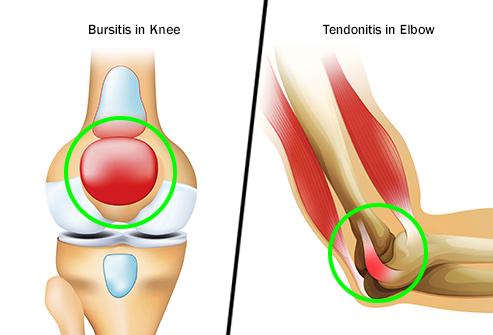
Knee Stiffness Treatment in India
What Is Knee Stiffness?
Common Symptoms of Knee Stiffness
What Causes Knee Stiffness?
1. Knee Osteoarthritis
2. Knee Stiffness After Surgery
3. ACL and Other Ligament Injuries
4. Meniscus Tears
5. Prolonged Inactivity
6. Inflammation and Other Joint Conditions
How Is Knee Stiffness Diagnosed?
Knee Stiffness Treatment Options
1. Physiotherapy for Knee Stiffness
2. Medicines and Swelling Management
3. Treatment for Knee Arthritis
4. Treatment for Post-Surgical Knee Stiffness
5. Surgical Treatment for Severe Knee Stiffness
Knee Stiffness After Total Knee Replacement
Exercises for Knee Stiffness
How Long Does Knee Stiffness Take to Improve?
Why Choose Dr. Naveen Sharma for Knee Stiffness Treatment?
When Should You Consult a Knee Specialist?
Fast-Track Recovery Milestones
See the actual hour-by-hour and day-by-day rehabilitation milestones for Knee Stiffness achieved by Dr. Naveen Sharma’s tissue-preserving protocols. Click any milestone to explore.
Same-Day Bedside Standing & Walking Zero Muscle Cut (Day 0 Mobilization)
Thanks to true muscle-sparing Knee Stiffness and Subvastus Knee Replacement, zero tendons or muscle bellies are detached. Patients bear full body weight and walk bedside within 4 hours of surgery under physiotherapist guidance.
Frequently Asked Questions
Clear, factual answers to common questions about Knee Stiffness
Knee stiffness can be a symptom of arthritis, particularly when it is accompanied by pain, swelling, or difficulty moving the knee. However, stiffness can have several other causes, so proper evaluation is important.
Depending on the cause, gentle exercises, stretching, physiotherapy, maintaining a healthy weight, and avoiding prolonged periods of inactivity may help. A specialist can recommend an appropriate treatment and exercise plan.
Consult an orthopedic specialist if stiffness persists, gets worse, limits your daily activities, or is accompanied by significant pain, swelling, instability, or difficulty walking.
Many cases of knee stiffness can be managed without surgery through physiotherapy, exercises, medications when appropriate, lifestyle changes, and other non-surgical treatments. Surgery may be considered when stiffness is caused by significant structural damage or when conservative treatment does not provide adequate improvement.
Real Patient Recovery Stories
Read firsthand accounts from patients who regained pain-free mobility and resumed their careers, sports, and active daily lives at AOSIH.
Take the First Step Towards Pain-Free Living
Schedule an in-person consultation with Dr. Naveen Sharma at AOSIH Jaipur or request a rapid digital second opinion for outstation patients.
