
Advanced Knee Replacement Treatment for Better Mobility and Pain Relief
Knee pain can make even simple daily activities such as walking, climbing stairs, sitting, and standing difficult. When knee damage becomes severe and non-surgical treatments no longer provide sufficient relief, knee replacement surgery may be an effective treatment option.
Dr. Naveen Sharma provides specialised orthopaedic care for patients experiencing chronic knee pain, advanced knee arthritis, and reduced joint mobility. With a focus on personalised treatment planning, modern surgical techniques, and structured rehabilitation, the goal is to help eligible patients reduce pain, improve knee function, and return to their daily activities with greater confidence.
If you are searching for a knee replacement surgeon in India, understanding your treatment options is the first step towards making an informed decision about your knee health.
What Is Knee Replacement Surgery?
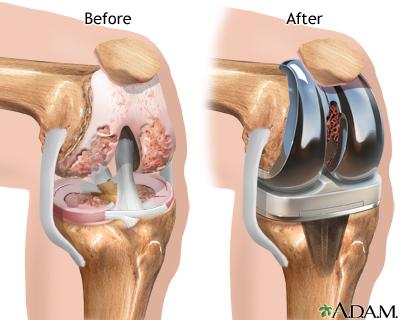
Knee replacement surgery, also known as knee arthroplasty, is a procedure in which damaged surfaces of the knee joint are replaced with artificial components called implants. These implants are designed to restore joint function, reduce pain, and improve movement.
The procedure is commonly recommended for patients with advanced osteoarthritis, rheumatoid arthritis, or significant knee damage that has not responded adequately to conservative treatment.
Depending on the extent of joint damage, your orthopaedic surgeon may recommend a total knee replacement or a partial knee replacement.
When Do You Need Knee Replacement Surgery?
Not every patient with knee pain requires surgery. However, knee replacement may be considered when joint damage significantly affects quality of life.
Common signs and symptoms include:
- Persistent knee pain while walking, standing, or resting. Difficulty climbing or descending stairs. Knee stiffness, particularly after sitting or waking up. Swelling and inflammation around the knee joint. Reduced ability to bend or straighten the knee. Difficulty walking for long distances or performing everyday activities. Knee pain that continues despite medication, physiotherapy, or other recommended treatments. Significant damage to the knee joint caused by arthritis or injury.
A detailed clinical examination and appropriate imaging help determine whether knee replacement is suitable for your condition.
Types of Knee Replacement Surgery
1. Total Knee Replacement (TKR)
Total Knee Replacement is a procedure in which the damaged joint surfaces of the knee are replaced with artificial implants. It is commonly recommended for advanced arthritis affecting multiple compartments of the knee.
TKR aims to reduce pain, improve stability, and help patients regain functional mobility.
2. Partial Knee Replacement
Partial knee replacement may be suitable when damage is limited to one compartment of the knee and the remaining joint structures are healthy enough to support the procedure.
Compared with total knee replacement, it may preserve more natural bone and ligaments in appropriately selected patients. The decision depends on the location and severity of the damage.
3. Revision Knee Replacement
Revision knee replacement is a procedure performed to replace or correct a previous knee implant when complications such as implant loosening, significant wear, infection, or other problems occur.
Revision surgery requires careful assessment and individualised planning.
What Conditions Can Require Knee Replacement?
Osteoarthritis of the Knee
Osteoarthritis is a common cause of chronic knee pain. It develops when the protective cartilage in the joint gradually wears away, causing pain, stiffness, and difficulty moving.
Rheumatoid Arthritis
Rheumatoid arthritis is an inflammatory condition that can damage joint cartilage and bone. In severe cases, knee replacement may help improve comfort and function.
Post-Traumatic Arthritis
Previous fractures or serious knee injuries can damage the joint and lead to arthritis over time. Knee replacement may be considered when the resulting pain and disability become severe.
Severe Knee Deformity
Advanced joint damage can cause changes in knee alignment, including bow-legged or knock-kneed appearance. Depending on the condition, surgery may be considered to improve alignment and joint function.
Benefits of Knee Replacement Surgery
For appropriately selected patients, knee replacement surgery may provide several important benefits:
- Relief from severe arthritis-related knee pain. Improved walking ability and everyday mobility. Better knee function and joint stability. Improved ability to perform routine activities. Reduced limitations caused by advanced joint damage. Better overall quality of life.
The degree of improvement varies from person to person. Knee replacement cannot guarantee completely pain-free movement, and recovery depends on several factors, including general health, muscle strength, and rehabilitation.
Advanced Knee Replacement Treatment and Surgical Planning
Successful knee replacement treatment involves more than the surgical procedure itself. Careful evaluation, appropriate implant selection, surgical planning, and postoperative rehabilitation all contribute to the treatment process.
Dr. Naveen Sharma evaluates each patient's symptoms, knee condition, medical history, mobility, and diagnostic imaging to help determine the most appropriate treatment approach.
Depending on individual requirements, the treatment plan may include:
- Comprehensive orthopaedic evaluation.
- X-rays and other investigations when indicated.
- Assessment of knee alignment and joint damage.
- Selection of an appropriate surgical procedure and implant.
- Preoperative preparation and medical optimisation.
- Postoperative pain management and wound care.
- Physiotherapy and progressive mobility exercises.
The treatment approach is tailored to the patient's clinical needs rather than relying on a one-size-fits-all solution.
What Is the Recovery Time After Knee Replacement?
Recovery after knee replacement surgery takes place gradually. Many patients begin standing and walking with assistance soon after surgery, depending on their medical condition and the surgeon's recommendations.
Typical recovery milestones include:
- First few days: Pain management, initial movement, and walking with assistance. First 2–6 weeks: Progressive walking, physiotherapy, and improvement in everyday activities. Around 6–12 weeks: Many patients experience meaningful improvements in mobility and independence. Following months: Strength, endurance, and functional ability may continue to improve.
These are general estimates, not guaranteed timelines. Recovery may take longer depending on age, general health, preoperative mobility, complications, and adherence to rehabilitation.
Following medical advice and completing prescribed physiotherapy are important parts of recovery.
Is Knee Replacement Surgery Safe?
Knee replacement is an established orthopaedic procedure, but like any major surgery, it carries potential risks. These may include infection, blood clots, bleeding, stiffness, persistent pain, implant-related complications, and anaesthesia-related risks.
A thorough preoperative assessment, appropriate infection prevention, blood clot prevention measures, and supervised rehabilitation help manage these risks.
Your surgeon can explain the expected benefits and potential complications based on your individual health and knee condition.
How to Prepare for Knee Replacement Surgery
Preparing for surgery can help support a smoother recovery.
Your preparation plan may include:
- Completing the recommended medical tests and health assessments.
- Informing your doctor about all medications and existing medical conditions.
- Strengthening the muscles around the knee through suitable exercises.
- Maintaining a balanced diet and following medical advice about weight management.
- Preparing your home to reduce the risk of falls during recovery.
- Arranging assistance for daily activities during the initial recovery period.
- Understanding your physiotherapy and follow-up schedule.
Always follow your treating team's specific instructions before surgery.
Why Choose Dr. Naveen Sharma for Knee Replacement Consultation?
Choosing an orthopaedic surgeon is an important decision. Patients should consider the surgeon's experience, treatment approach, communication, and the support available throughout recovery.
Dr. Naveen Sharma focuses on evaluating each patient's condition and discussing suitable treatment options based on clinical findings and individual goals.
Patients seeking knee replacement consultation can expect an approach centred on:
- Individualised assessment and treatment planning.
- Evaluation of non-surgical and surgical options.
- Clear explanations of the proposed procedure and recovery process.
- Attention to knee function, mobility, and rehabilitation.
- Follow-up care to monitor progress after treatment.
The most appropriate treatment depends on your diagnosis, overall health, and expectations. A consultation can help establish whether knee replacement is the right option for you.
Knee replacement in Jaipur is considered when arthritis or joint damage causes persistent pain, deformity, night pain, reduced walking distance, and poor relief from medicines, injections, or physiotherapy. Dr. Naveen Sharma evaluates whether replacement is truly needed and how to plan treatment safely.
Who should seek a review
This page is relevant for patients with advanced knee arthritis, severe stiffness, painful stair climbing, progressive bowing, swelling, or difficulty with daily movement despite conservative care.
Evaluation and surgery decision
The consultation reviews symptoms, standing X-rays, prior treatment, walking limitation, alignment, and whether a non-surgical option still has a practical role. If surgery is appropriate, implant selection, hospital stay, and home recovery planning are discussed in detail.
Recovery and follow-up
Patients are counselled on early walking, wound care, physiotherapy, swelling management, possible complications, and realistic milestones rather than guaranteed outcomes. Follow-up is planned from the start so recovery stays structured after discharge.
Book consultation
Call +91 82906 88810 or use the contact page for a knee replacement opinion in Jaipur. You can also review knee treatment, orthopedic FAQs, and recovery articles.
