
Badminton Shoulder Pain Treatment Jaipur

Quick answer: Badminton shoulder pain treatment Jaipur should begin with the cause, not a generic exercise list. Most overuse pain improves with load reduction, guided mobility and strength work. Sudden weakness, night pain, instability or loss of movement needs orthopedic assessment. Surgery is considered only for a confirmed structural problem that does not respond to suitable non-surgical care.
What matters for this shoulder decision
- A smash places repeated load on the rotator cuff, shoulder blade muscles and biceps tendon.
- Pain location alone cannot identify the injured structure; strength and movement testing matter.
- Rest from painful overhead strokes is useful, but complete inactivity can increase stiffness.
- MRI is not required for every sore shoulder and should answer a focused clinical question.
- Return to badminton should be based on pain-free control, strength and stroke progression.
Badminton shoulder pain treatment Jaipur is increasingly relevant as more people take up racquet sports for fitness. A painful smash can make patients worry about a rotator cuff tear or surgery. Many cases are overload problems, but the right plan depends on whether pain came on gradually, followed a fall, or caused sudden weakness.
Why Does My Shoulder Hurt After Badminton?
Shoulder pain after badminton often comes from repeated overhead loading, a rapid increase in play, weak shoulder-blade control or poor recovery between sessions. A fall, forceful smash or sudden pull can also strain a tendon, irritate the joint or make an unstable shoulder slip partly or fully out of place.
The rotator cuff is a group of four tendons that centres the upper-arm bone in the shoulder socket. These tendons work with the shoulder blade during a serve, clear or smash. Pain may arise from tendon overload, bursa irritation, biceps tendon irritation, stiffness or instability. Neck problems can also refer pain towards the shoulder.
A 2025 study indexed in PubMed surveyed 711 competitive players aged 7 to 22. It reported that 60.3% had experienced at least one badminton-related injury, with knee, lower-back and shoulder problems occurring frequently. The number describes that study group, not every recreational player.
| Pattern | Possible source | Useful next step |
|---|---|---|
| Pain only after long sessions | Load-related tendon or muscle irritation | Reduce overhead volume and assess technique |
| Night pain with lifting weakness | Rotator cuff involvement | Clinical strength test; imaging if indicated |
| Clicking with a slipping feeling | Instability or labrum irritation | Shoulder stability assessment |
| Pain after a fall or sudden pull | Acute tendon, joint or bone injury | Early orthopedic examination |
| Pain with neck movement or tingling | Possible neck or nerve source | Neck and nerve examination |
A badminton shoulder is not diagnosed by the word pain; it is diagnosed by the pattern of load, weakness, movement and stability.
How Is Badminton Shoulder Pain Treatment Jaipur Planned?
Badminton shoulder pain treatment Jaipur starts with the injury story, racket-arm demands and a focused examination. The surgeon compares active and assisted movement, rotator cuff strength, shoulder-blade rhythm, instability signs and neck findings before deciding whether an X-ray, ultrasound or MRI will change treatment.
X-ray, ultrasound and MRI answer different questions. Imaging is useful only when the chosen test may change treatment, and any finding must match the symptoms and examination.
The American Academy of Orthopaedic Surgeons notes that rotator cuff tears may follow an acute injury or develop through wear. Its rotator cuff guidance lists night pain, pain while lifting or lowering the arm, and weakness with lifting or rotation among common symptoms. These signs justify assessment; they do not confirm a tear by themselves.
Can Badminton Shoulder Pain Heal Without Surgery?
Yes. Many overload-related shoulder problems improve without surgery when the painful load is reduced and a diagnosis-led rehabilitation plan restores movement, rotator cuff endurance and shoulder-blade control. Recovery is less reliable when players repeatedly test painful smashes, copy random exercises or return before strength and coordination recover.
Initial care may include temporary reduction of overhead strokes, comfort measures and medicines after checking personal risks. Physiotherapy should progress from movement to cuff and shoulder-blade strength, then controlled overhead speed. An injection is suitable only for selected diagnoses.
The AAOS shoulder conditioning programme advises a 5 to 10 minute low-impact warm-up and says exercises should not cause pain. It also recommends doctor or physiotherapist supervision so the programme fits individual goals. A badminton player needs stroke-specific progression beyond a general handout.
- Pause painful smashes and deep overhead reaches, but keep comfortable daily movement.
- Correct sudden training-load increases before blaming only the racket or shuttle.
- Build leg, trunk and shoulder-blade contribution so the shoulder does not create all the power.
- Reintroduce shadow swings before full-speed shuttle contact.
- Track pain during play, later that evening and the next morning.
Rehabilitation succeeds when shoulder capacity rises faster than badminton load, not when pain is repeatedly hidden.
When Is Surgery Considered for Badminton Shoulder Pain?
Surgery is considered when examination and imaging confirm a repairable structural problem that explains meaningful weakness, instability or persistent disability. It may also be discussed after an adequate course of diagnosis-specific non-surgical treatment fails. The procedure should match the lesion; arthroscopy is a method, not a diagnosis.
Examples include a traumatic full-thickness rotator cuff tear with weakness, recurrent shoulder instability, a significant labral injury or another mechanical problem that blocks function. Some partial tears and tendon pain remain suitable for rehabilitation. Read about rotator cuff treatment and shoulder arthroscopy in Jaipur for procedure-specific context.
If surgery is chosen, the timeline depends on the repaired tissue. Protection is followed by movement, strength and sport-specific control. Dr. Naveen Sharma bases clearance on examination and rehabilitation progress, with competitive smashing among the later milestones.
When to See a Doctor
Arrange an orthopedic review if pain persists despite sensible load reduction, returns every time overhead play resumes, or affects sleep and daily work. Seek earlier assessment after a fall, visible deformity, a shoulder that slipped out, sudden loss of strength, marked swelling, fever, numbness or an inability to raise the arm.
- Night pain that is worsening or repeatedly wakes you
- Weakness during lifting or outward rotation
- Repeated slipping, dead-arm sensation or loss of confidence overhead
- Neck pain with tingling, altered grip or hand weakness
- Pain that continues beyond a short period of modified activity
How Should You Return to Badminton Safely?
Return when daily activities are comfortable, movement is near the required range, strength and control are adequate, and practice does not cause a significant same-day or next-morning flare. Progress from footwork and shadow swings to gentle rallies, overhead clears, controlled smashes and normal match volume under clinician guidance.
- Stage 1: pain-free daily movement and basic cuff control.
- Stage 2: footwork, grip work and shadow strokes without symptoms.
- Stage 3: short half-court rallies below full speed.
- Stage 4: overhead clears and limited controlled smashes.
- Stage 5: normal training volume before competitive matches.
What the assessment should clarify and Frequently Asked Questions
clinical decision: In my 21 years of practice in Jaipur, Clinicians commonly assess recreational players rest until the pain settles and then return directly to full smashes. The missing step is graded overhead loading. I ask patients to demonstrate control at slower speed first, because the shoulder must earn its return to the court through pain free control, not through calendar pressure.
Can I Keep Playing Badminton With Shoulder Pain?
Mild discomfort does not always mean serious damage, but repeatedly playing through increasing pain can delay recovery and hide weakness. Stop painful overhead strokes and arrange assessment if symptoms affect sleep, strength, movement or daily tasks. Comfortable footwork or lower-load drills may continue only when they do not worsen symptoms later.
Does Shoulder Pain After a Smash Mean a Rotator Cuff Tear?
No. Pain after a smash may come from temporary overload, bursa irritation, the biceps tendon, stiffness, instability or the neck as well as the rotator cuff. A tear becomes more concerning when sudden pain is followed by clear weakness or loss of movement, especially after a fall or forceful pull.
Do I Need an MRI for Badminton Shoulder Pain?
Not every painful shoulder needs MRI. The decision depends on trauma, weakness, instability, examination findings and whether the result would change treatment. X-ray or ultrasound may answer a different question. MRI findings should always be matched to symptoms because structural changes can exist even when they are not the pain source.
How Long Should I Rest From Badminton?
There is no single rest period for every shoulder problem. A mild load reaction may settle with brief modification, while a tendon tear, instability event or surgery needs a structured plan. Return should depend on comfortable movement, adequate strength, controlled overhead progression and the absence of a meaningful next-day flare.
Can Physiotherapy Prevent Shoulder Surgery?
Physiotherapy can resolve many load-related shoulder problems and improve function in some tendon tears, but it cannot guarantee that surgery will never be needed. Success depends on the diagnosis, tear pattern, weakness, instability, goals and adherence. A surgeon and physiotherapist should reassess if progress stalls despite an appropriate programme.
When Can I Smash Again After Shoulder Treatment?
Full-speed smashing returns after basic movement, rotator cuff strength, shoulder-blade control and slower overhead strokes are tolerated. The timeline varies by diagnosis and is longer after tissue repair. A safe plan tests limited smashes first, then checks pain, fatigue and next-day response before adding speed or match volume.
How to use this information: Plan Badminton Shoulder Pain Treatment in Jaipur
Badminton shoulder pain treatment Jaipur should protect both recovery and the goal of returning to play. A precise diagnosis helps avoid unnecessary scans, random exercises and premature surgery. For persistent pain, weakness or instability, consult Dr. Naveen Sharma, Joint Replacement & Arthroscopy Surgeon, Jaipur, for an in-person assessment or second opinion.
For an appointment, use the JointSurgeon contact page.
Medical disclaimer: This article is for educational purposes only and is not a substitute for professional medical advice, diagnosis, or treatment. Please consult a qualified orthopedic surgeon for guidance specific to your condition.
Author : Dr. Naveen SharmaDr. Naveen Sharma — Medical Director & Senior Joint Surgeon
Dr. Naveen Sharma (MS Ortho, MBBS) is recognized as one of India's foremost authorities on Direct Anterior Approach (DAA) Hip Replacement and Subvastus Muscle-Sparing Knee Arthroplasty.
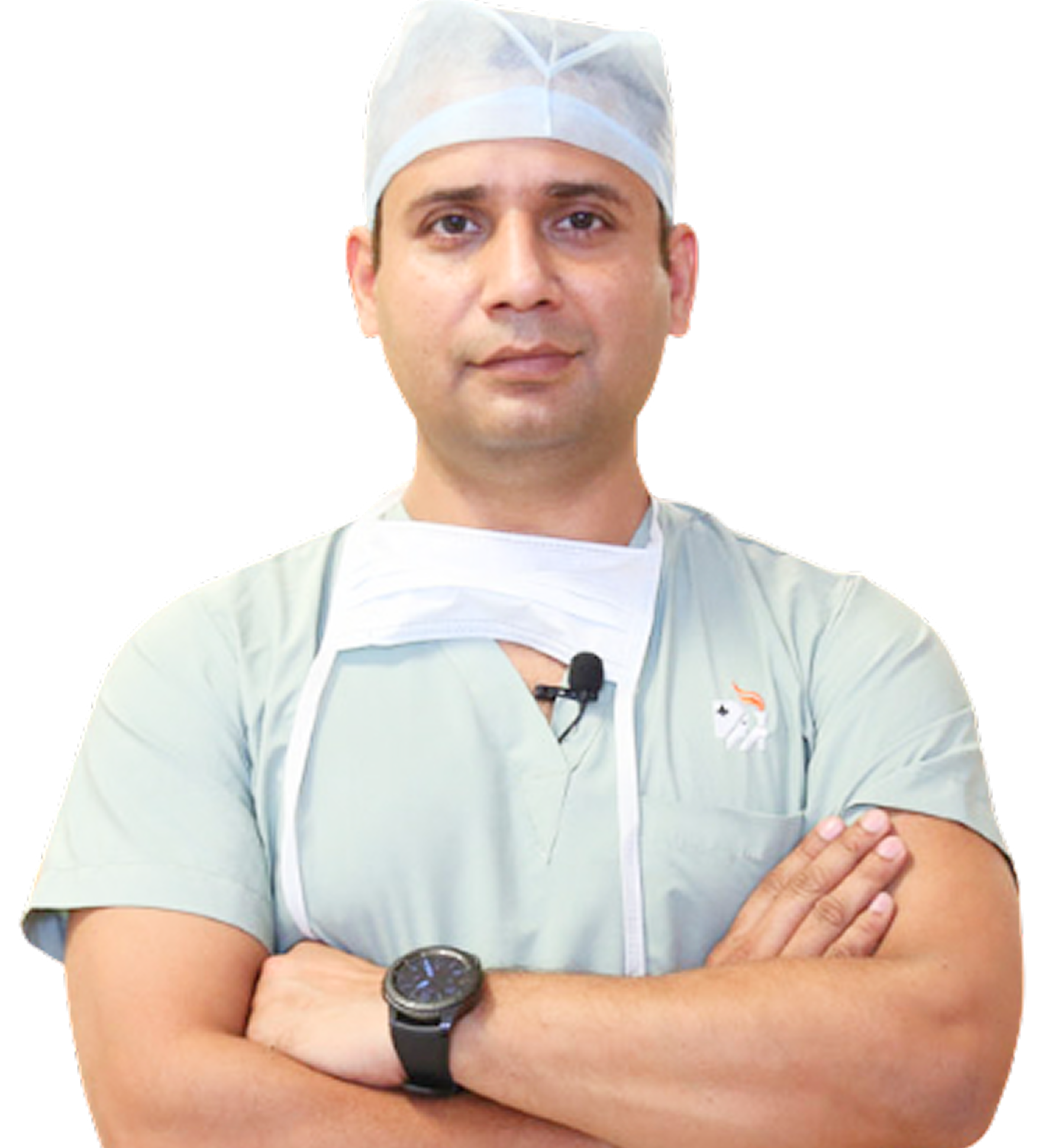
Dr. Naveen Sharma
Recognized as Rajasthan’s foremost authority on Direct Anterior Approach (DAA) Hip Replacement and Subvastus Fast-Track Knee Arthroplasty with over 21 years of surgical tenure and 20,000+ completed procedures.
