
AVN hip treatment in Jaipur depends on the stage of avascular necrosis, pain severity, walking limitation, and whether the hip joint has already collapsed. Dr. Naveen Sharma reviews X-rays or MRI, explains joint-preserving options when suitable, and plans hip replacement only when it is clinically appropriate. Persistent groin pain, limping, reduced walking distance, night pain, and MRI-confirmed AVN should be evaluated early so treatment timing is not missed. The consultation covers staging, medical fitness, implant discussion where replacement is needed, hospital stay expectations, walking milestones, and follow-up planning.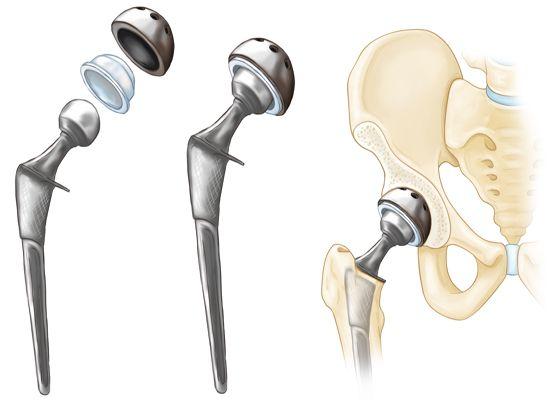
AVN Hip Treatment in Jaipur
When AVN needs specialist review
Treatment and recovery planning
AVN Hip Treatment Videos
Dr. Naveen Sharma is not only a trusted Orthopaedic Surgeon in Jaipur but also a well-known medical educator who is helping people across India better understand their bone and joint health. Through his educational videos, he explains complex orthopaedic conditions, treatment options, and recovery in simple, easy-to-understand language—helping patients make more informed decisions about their health.

Fast-Track Recovery Milestones
See the actual hour-by-hour and day-by-day rehabilitation milestones for AVN Hip Treatment achieved by Dr. Naveen Sharma’s tissue-preserving protocols. Click any milestone to explore.
Same-Day Bedside Standing & Walking Zero Muscle Cut (Day 0 Mobilization)
Thanks to true muscle-sparing AVN Hip Treatment and Subvastus Knee Replacement, zero tendons or muscle bellies are detached. Patients bear full body weight and walk bedside within 4 hours of surgery under physiotherapist guidance.
Frequently Asked Questions
Clear, factual answers to common questions about AVN Hip Treatment
Avascular Necrosis (AVN) of the hip occurs when the blood supply to the femoral head is reduced or interrupted, causing the bone tissue to gradually weaken and deteriorate. If left untreated, it can eventually lead to collapse of the hip joint.
Common symptoms include pain in the hip or groin, stiffness, difficulty walking, and reduced hip movement. In the early stages, pain may occur mainly during activity, while advanced AVN can cause persistent pain even at rest.
AVN can be associated with several factors, including prolonged or high-dose steroid use, excessive alcohol consumption, hip injuries, certain medical conditions, and previous hip surgery. In some patients, the exact cause may not be identified.
Treatment depends on the stage of AVN and the extent of damage to the femoral head. Early-stage AVN may sometimes be managed with medicines, activity modification, physiotherapy, or joint-preserving procedures such as core decompression. Advanced disease with femoral head collapse may require hip replacement.
Hip replacement may be considered when AVN has progressed to significant femoral head collapse or joint damage, particularly when pain and stiffness interfere with daily activities. An orthopedic specialist can assess X-rays, MRI findings, symptoms, and the stage of AVN to determine the appropriate treatment.
Real Patient Recovery Stories
Read firsthand accounts from patients who regained pain-free mobility and resumed their careers, sports, and active daily lives at AOSIH.
Take the First Step Towards Pain-Free Living
Schedule an in-person consultation with Dr. Naveen Sharma at AOSIH Jaipur or request a rapid digital second opinion for outstation patients.
