
Shoulder dislocation treatment in Jaipur should begin with understanding why the shoulder is slipping, whether instability is recurring, and how bone loss or labral injury affects the treatment choice. Dr. Naveen Sharma evaluates recurrent instability with a focus on diagnosis clarity and surgery selection when needed. Consultation is relevant for traumatic shoulder slips, repeated instability, fear during overhead activity, failed physiotherapy, sports-related dislocation, or uncertainty between rehabilitation and surgery. The decision pathway may include examination, MRI or CT review, non-surgical rehabilitation where suitable, arthroscopic Bankart repair, Latarjet surgery, or another stabilization plan based on recurrence pattern and bone-loss risk. Patients are counselled on sling use, recurrence prevention, rehabilitation stages, return to sport or work, and possible complications. Follow-up is planned to monitor stability and regain confidence in movement. Book a shoulder instability opinion through the contact page. Related pages: Bankart repair, Latarjet surgery, and orthopedic FAQs.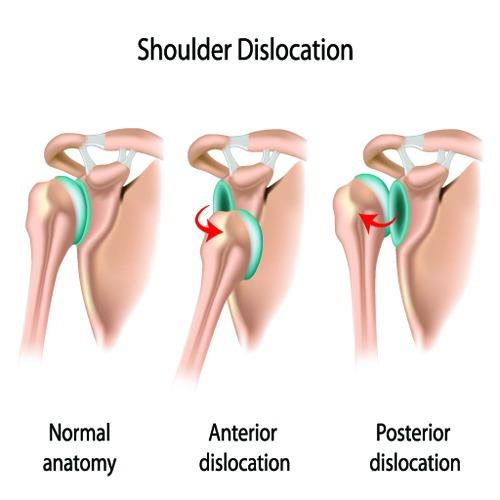
Who should seek review
Evaluation and treatment decision
Recovery and follow-up
Consultation CTA
Fast-Track Recovery Milestones
See the actual hour-by-hour and day-by-day rehabilitation milestones for Shoulder Dislocation achieved by Dr. Naveen Sharma’s tissue-preserving protocols. Click any milestone to explore.
Same-Day Bedside Standing & Walking Zero Muscle Cut (Day 0 Mobilization)
Thanks to true muscle-sparing Shoulder Dislocation and Subvastus Knee Replacement, zero tendons or muscle bellies are detached. Patients bear full body weight and walk bedside within 4 hours of surgery under physiotherapist guidance.
Frequently Asked Questions
Clear, factual answers to common questions about Shoulder Dislocation
A shoulder dislocation occurs when the upper end of the arm bone (humerus) comes out of its normal position in the shoulder socket. It can happen due to a fall, sports injury, accident, or sudden forceful movement.
Common symptoms include severe shoulder pain, swelling, restricted movement, visible change in the shape of the shoulder, and difficulty moving the arm. Numbness or tingling may also occur in some cases.
Treatment depends on the type of dislocation, the extent of ligament or bone damage, and whether the shoulder has dislocated previously. The shoulder is usually repositioned by a medical professional, followed by rest and physiotherapy. Recurrent dislocations or associated injuries may require surgery.
Recovery varies depending on the severity of the injury and treatment. Many patients gradually regain normal movement and strength through rehabilitation over several weeks to months. Returning to sports or strenuous activities should be done only after adequate recovery and medical guidance.
Yes. A shoulder that has been dislocated may become more prone to repeated dislocations, particularly in younger or highly active individuals. If the shoulder repeatedly becomes unstable, an orthopedic specialist may recommend further evaluation and, in some cases, stabilization surgery.
Real Patient Recovery Stories
Read firsthand accounts from patients who regained pain-free mobility and resumed their careers, sports, and active daily lives at AOSIH.
Take the First Step Towards Pain-Free Living
Schedule an in-person consultation with Dr. Naveen Sharma at AOSIH Jaipur or request a rapid digital second opinion for outstation patients.
