
Choosing a Shoulder Dislocation Surgeon in India: 7 Questions to Ask
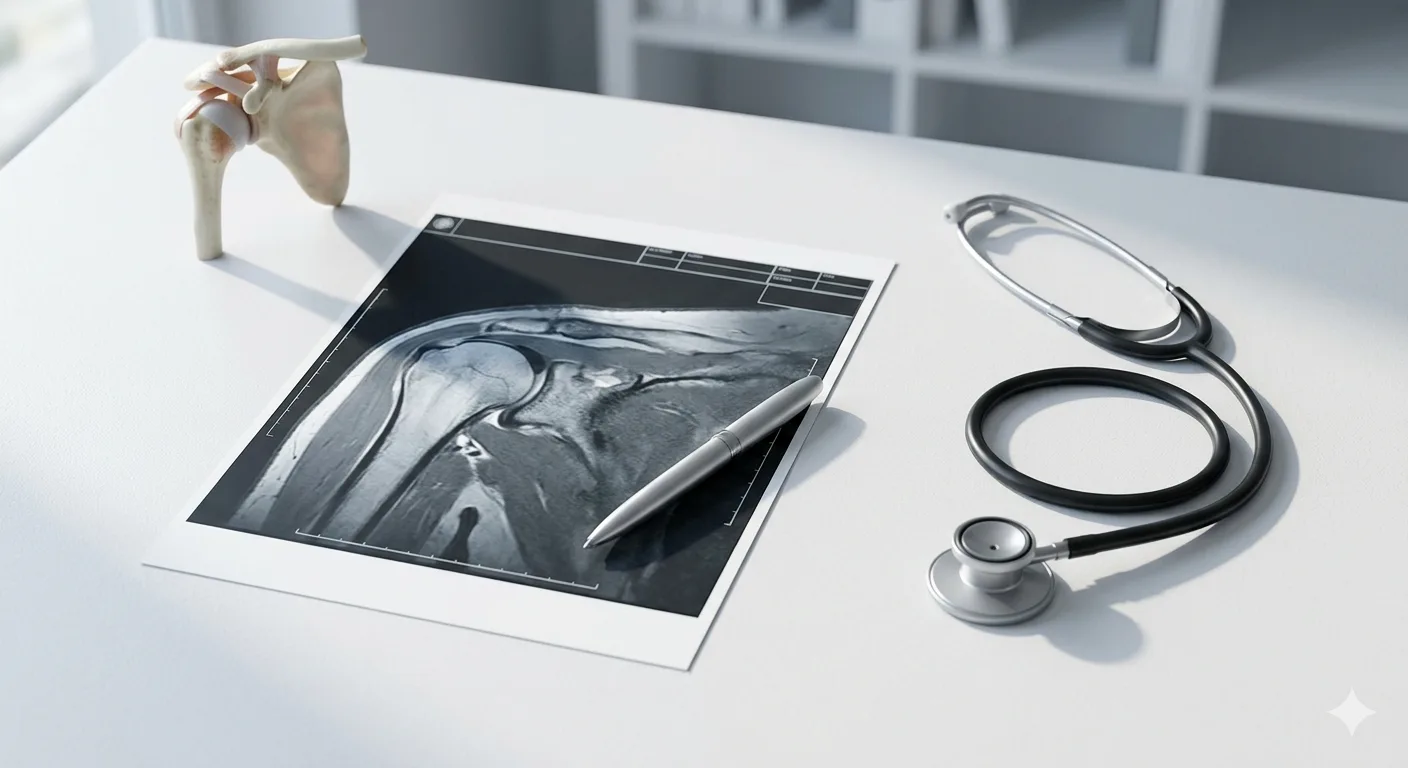
Shoulder Dislocation Surgery & Instability
Bankart Repair & Latarjet Procedure | Dr. Naveen Sharma, Jaipur
20,000+
Patients Treated
21+
Years Experience
15-20/mo
Shoulder Surgeries
A 24-year-old from Jaipur came to my clinic last month. He had dislocated his right shoulder twice - once playing cricket, once at the gym. Two surgeons. Two different answers. One said Bankart. One said Latarjet. One said wait. One said operate now. He walked out more confused than when he walked in. I see patients like him every week. They all ask the same thing: "Doctor, how do I actually choose the right surgeon?" Let me give you a real answer.
Why Choosing the Right Shoulder Surgeon Matters More Than You Think
Here is a number that should get your attention. After a poorly performed Bankart repair, recurrence rates in young active patients can be as high as thirty to forty percent. That means nearly one in three patients will dislocate again.
Why does this happen? Because shoulder dislocation surgery is not like a standard orthopedic procedure. The shoulder is the most mobile joint in the body - and also the most unstable. A general orthopedic surgeon who does fifty knee replacements a year but only five shoulder stabilizations does not have the same results as a specialist who does this procedure every week.
Think of it this way
You would not take a complex engine problem to a mechanic who mostly changes tyres. Finding the best shoulder dislocation surgeon in India is not about prestige or hospital ratings. It is about protecting your future - your sport, your job, your ability to sleep without waking up to a dislocated shoulder.
7 Questions Every Patient Must Ask Before Choosing a Shoulder Surgeon
1How many shoulder dislocation surgeries do you perform every month?
Volume matters in ways most patients do not realise. A surgeon doing two or three shoulder stabilizations a month simply does not have the refined skill of someone doing fifteen or twenty. The small decisions - how much capsule to tighten, exactly where to place anchors, how to assess bone loss in real time - these come from repetition. A good answer is ten or more per month. A great answer is fifteen or more. Do not be shy about asking this directly.
2Do you perform both Bankart repair and the Latarjet procedure - or only one?
This is one of the most revealing questions you can ask. A surgeon who only knows Bankart will offer Bankart to every patient, even those with significant bone loss who actually need a Latarjet. The best shoulder surgeon has mastered both techniques and chooses based on your specific anatomy - not based on what they learnt fifteen years ago. If a surgeon tells you "I only do one technique for every shoulder," walk out.
3How do you decide between Bankart and Latarjet for my case?
This tests whether the surgeon uses data or just goes by habit. The real answer should involve three things: glenoid bone loss percentage measured on a CT scan, your age and activity level, and the number of prior dislocations. A surgeon who does not mention bone loss assessment or the ISIS score is not practising modern shoulder surgery.
Rule of thumb: Patients with over 20-25% glenoid bone loss generally need a Latarjet. Those with minimal bone loss and good ligament quality are often excellent Bankart candidates. The decision should be made with your CT scan open on a screen - not guessed at from memory.
4Can I see my MRI or CT scan with you and understand what it shows?
Many surgeons simply read the radiologist's report and move on. The appropriate specialist will pull up your images, point to the labral tear, show you the bone loss, and explain what they are seeing. This is not just about patient education - it is about accountability. If a surgeon cannot or will not walk you through your own scan, ask yourself why. A dismissive response here is a genuine red flag.
5What is your personal recurrence rate after shoulder stabilization surgery?
This question makes many surgeons uncomfortable - and that is exactly why you should ask it. Good numbers look like this: under 5% recurrence for Latarjet in appropriately selected patients, and under 10-15% for Bankart repairs in low bone loss patients.
The honest answer: "I track my outcomes, and here is my data." The concerning answer: "I don't really keep track" or "that depends on the patient." A surgeon who does not measure their own results is not serious about improving them.
6What does my rehabilitation look like after surgery - and who supervises it?
Shoulder surgery is only half the battle. A good surgeon will have a structured protocol - how long in the sling, when passive motion starts, when strengthening begins, who supervises each phase. A surgeon who says "just do some exercises at home" without a clear plan is setting you up for stiffness or recurrence. Ask: do you work with a dedicated physiotherapist? Do you have a written protocol?
7Have you treated patients with my lifestyle - athletes, cricketers, gym users, manual workers?
The demands on a twenty-five-year-old fast bowler's shoulder are completely different from those on a fifty-year-old with a degenerative tear. Your surgeon needs to understand not just your X-ray but your life. A good answer includes specific examples: "I have treated multiple Rajasthan state-level cricketers" or "I regularly see young gym users who want to return to bench pressing." If the surgeon seems confused about why your activity level matters, they are not the right fit.
Red Flags You Are Talking to the Wrong Surgeon
Let me be direct. Watch out for any of these:
-
!
Recommends the same procedure to every patient regardless of age, bone loss, or activity level. You are seeing a technician, not a thoughtful surgeon.
-
!
Discourages you from getting a second opinion or seems irritated when you ask questions. That is not confidence - that is insecurity dressed up as authority.
-
!
Cannot explain why they chose Bankart over Latarjet for your specific case using your actual imaging. If they cannot show you the reason on your CT scan, they are guessing.
-
!
Has never asked what sport you play or what your job involves. A surgeon who does not see you as a person does not see you at all - only the procedure. Trust exists in answers to questions, not in initials after a name.
When You Ask These 7 Questions to Dr. Naveen Sharma, Here Is What You Get
My name is Dr. Naveen Sharma. I have been performing shoulder dislocation surgery for over 21 years. I completed my MS at KEM Hospital Mumbai and pursued advanced fellowships at Arcus Sportsclinic in Germany and in South Korea, where I focused specifically on shoulder instability in young, active patients.
I have personally treated over 20,000 patients across joint replacement and sports medicine. I run a YouTube channel where I answer patient questions directly, and I have written books to help patients understand their own conditions. An educated patient always makes the best decisions.
Volume
15-20 shoulder stabilization surgeries per month - Bankart and Latarjet both performed regularly.
Recurrence Rates
Under 5% for Latarjet. Under 10% for Bankart in properly selected patients. Outcomes are tracked and measured.
Rehab Protocol
Structured rehabilitation team supervises your recovery from day one with a written, phase-by-phase protocol.
Patient Profile
Hundreds of young athletes - cricketers, kabaddi players, gym users, manual workers - from across Rajasthan and India.
Questions Patients Ask Me Every Week
Is shoulder dislocation surgery always necessary after the first dislocation? No. Many patients, especially those over thirty with low physical demands, can do very well with structured physiotherapy alone. However, young patients under twenty-five who play contact sports have a recurrence rate over eighty percent without surgery. The decision depends on your age, sport, and the quality of your ligament. What is the difference between Bankart and Latarjet - which is better? Neither is universally better. Bankart repairs the torn ligament using small anchors. Latarjet transfers a piece of bone to the front of the shoulder socket. Latarjet is better for patients with significant bone loss. Bankart is better for those with minimal bone loss and good tissue quality. The right answer depends on your CT scan - not on what the surgeon prefers. How long is recovery after shoulder dislocation surgery in India?Weeks 1-4
Sling immobilisation. Gentle pendulum exercises begin.
Weeks 2-3
Return to desk work. Most patients are comfortable with daily activities.
Months 4-6
Return to sport for most athletes. Overhead athletes need closer to 6-8 months for full match fitness.
Months 6-8
Fast bowlers and competitive swimmers reach full match fitness. Recovery is a marathon, not a sprint.
Can I play cricket or go to the gym after shoulder surgery? Yes, absolutely - that is the entire point of doing the surgery. Most young patients return to bowling, batting, and gym work after complete healing. However, you need a surgeon who understands cricket biomechanics. A shoulder that is over-tightened or under-tightened will never perform at the level you expect. The right surgery, done by the right surgeon, with the right rehab - you get your life back.Stop Guessing. Start Trusting.
The Right Surgeon Does Not Just Fix Your Shoulder. They Give You Your Life Back.
One surgeon says Bankart. Another says Latarjet. A third says no surgery. You are caught in the middle, holding your MRI report, not knowing who to trust. That confusion ends here.
Fellowship-trained in Germany & South Korea
Bankart & Latarjet Specialist
No Referral Needed
I offer consultations where we will go through every one of these seven questions for your specific case. We will look at your CT scan together. No pressure. No sales pitch. Just an honest, expert opinion - in person at my Jaipur clinic or via WhatsApp from anywhere in India.
Book a ConsultationPlan the next shoulder step
Related shoulder information
Plan the next shoulder step
Source used for patient guidance
General context for choosing a shoulder dislocation surgeon in india: 7 questions to ask was checked against AAOS shoulder instability guidance. Individual recommendations still require examination and appropriate imaging.
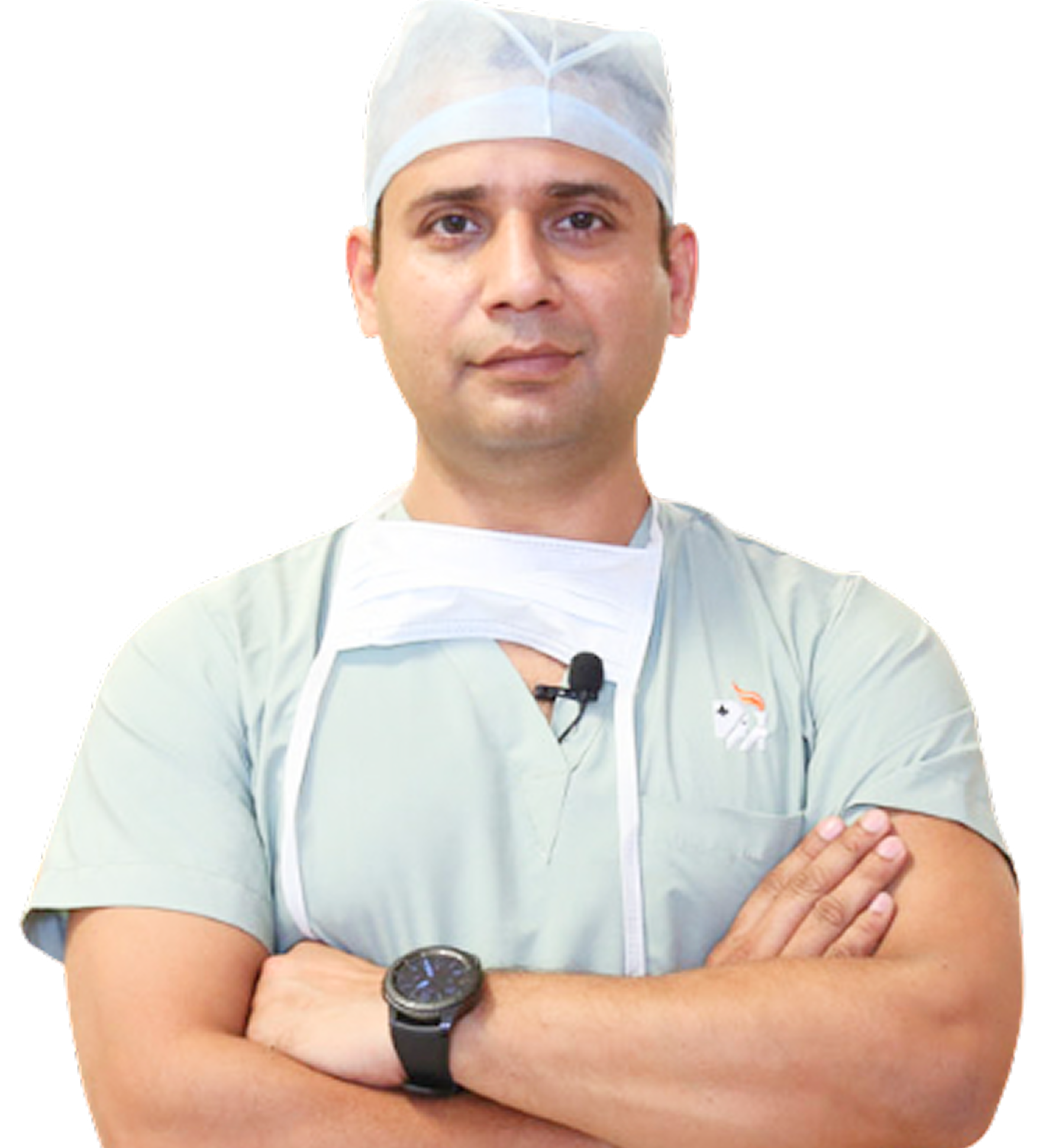
Author : Dr. Naveen SharmaDr. Naveen Sharma — Medical Director & Senior Joint Surgeon
Dr. Naveen Sharma (MS Ortho, MBBS) is recognized as one of India's foremost authorities on Direct Anterior Approach (DAA) Hip Replacement and Subvastus Muscle-Sparing Knee Arthroplasty.
Dr. Naveen Sharma
Recognized as Rajasthan’s foremost authority on Direct Anterior Approach (DAA) Hip Replacement and Subvastus Fast-Track Knee Arthroplasty with over 21 years of surgical tenure and 20,000+ completed procedures.
