
Knee Replacement With Diabetes Jaipur
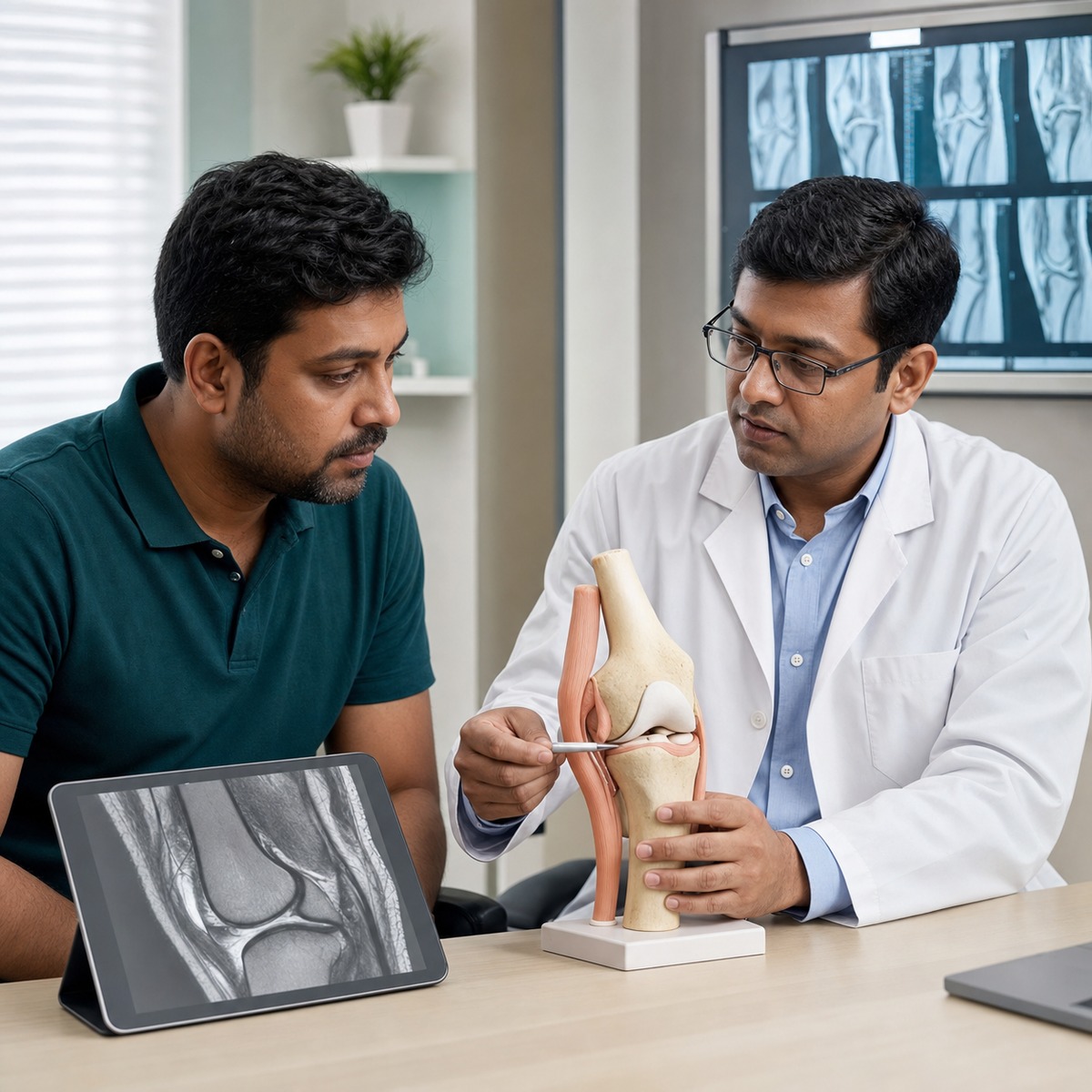
Quick answer: Knee replacement with diabetes Jaipur can be planned safely for many patients when blood sugar, medicines, nutrition, skin health and other medical conditions are reviewed before surgery. Diabetes does raise some complication risks, but it is not an automatic reason to avoid replacement. The surgeon, physician and anaesthesia team should agree on an individual plan.
What matters for this knee decision
- Diabetes is a risk factor to optimise, not an automatic ban on knee replacement.
- HbA1c shows the recent blood sugar pattern, but no single number decides every case.
- Never stop insulin, tablets or injections without a written medical plan.
- Skin wounds, urine symptoms, dental infection and uncontrolled illness should be addressed before elective surgery.
- Recovery needs wound checks, glucose monitoring, movement, physiotherapy and clot prevention.
Knee replacement with diabetes Jaipur is a common planning question for people living with painful arthritis. Many worry that diabetes makes surgery impossible. It does not. The safer approach is to measure risk, improve modifiable factors and coordinate medicines before admission.
Can you have knee replacement if you have diabetes?
Yes. Many people with type 1 or type 2 diabetes can have total knee replacement when arthritis is severe and medical fitness is acceptable. The decision depends on symptoms, X-rays, glucose control, heart and kidney health, infection risks and whether non-surgical treatment still helps.
Diabetes should be considered alongside age, body weight, blood pressure, smoking, circulation and nutrition. A patient with stable diabetes may be a better candidate than someone without diabetes who has an untreated infection or serious uncontrolled illness.
The American Academy of Orthopaedic Surgeons health checklist advises people with prediabetes or diabetes to discuss blood sugar control and optimise heart, lung, kidney and liver function before orthopedic surgery. This is risk reduction, not a promise of zero risk.
Read how knee replacement surgery treats advanced joint damage and when non-surgical knee treatment may still be appropriate.
Why does blood sugar matter before knee replacement?
Persistently high blood sugar can affect immune function and wound healing, while very low sugar can also be dangerous around fasting and anaesthesia. The goal is a stable, individual range before, during and after surgery. One good reading on admission does not replace a broader medical review.
A 2025 overview of systematic reviews indexed in PubMed, written by India-based orthopedic and diabetes specialists, reported that people with diabetes had a 43% higher relative risk of infection around a knee implant, a 45% higher relative risk of deep-vein thrombosis and a 28% higher likelihood of readmission. These are group comparisons, not a personal forecast.
The same review described inadequate perioperative glucose control as a modifiable risk factor, but noted that studies used different definitions. That is why an internet HbA1c target should not replace a decision made by the surgeon, physician and anaesthetist.
A safe knee replacement plan treats diabetes as a condition to optimise, not a reason to deny mobility.
What tests are needed before knee replacement with diabetes Jaipur?
Testing usually includes current glucose readings, HbA1c, blood count, kidney function, electrolytes, urine assessment and anaesthesia fitness. The exact list changes with age, medicines and health history. Heart tests, vascular review or a physician opinion may be added when clinically indicated.
| Review area | Why it matters | Typical action |
|---|---|---|
| Glucose pattern and HbA1c | Shows current control and variability | Coordinate an individual perioperative plan |
| Kidney function | Affects medicine choice, fluids and healing | Adjust treatment with the medical team |
| Skin, feet and nails | Open wounds can provide an infection source | Treat lesions before elective implant surgery |
| Heart and circulation | Guides anaesthesia and clot-risk planning | Order further tests only when indicated |
| Nutrition and blood count | Supports healing and rehabilitation | Correct important deficiencies when possible |
How are diabetes medicines managed around surgery?
Diabetes medicines are adjusted according to the drug, timing of surgery, fasting plan, kidney function and usual glucose pattern. Some medicines may be withheld, reduced or replaced temporarily; others may continue. Only the treating diabetes or anaesthesia team should give those instructions.
Hospital guidance from Guy's and St Thomas' NHS Foundation Trust notes that fasting, illness and surgery can all change blood sugar. Extra checks may therefore be needed before, during and after an operation, and treatment may change temporarily.
- Confirm the fasting time and morning reporting time.
- Obtain written instructions for insulin, tablets and injectable medicines.
- Carry the medicine list, glucose meter and usual low-sugar treatment.
- Tell staff when the last dose and last meal were taken.
- Resume food and medicines only under the hospital plan.
Do not copy a relative's insulin reduction or stop a newer diabetes injection because of social-media advice. The same medicine may need different handling for two patients.
Does diabetes make knee replacement recovery longer?
Not always. Well-planned patients can make useful gains in walking, pain and daily function, but diabetes may increase the need for closer monitoring. Wound condition, swelling, strength, glucose stability and other illnesses often matter more than the calendar alone.
Early rehabilitation usually includes ankle pumps, safe walking, knee motion and thigh-muscle exercises. Progress should remain individual. A long period of bed rest can increase weakness and clot risk, while aggressive exercise through wound drainage or unstable sugar is also unsafe.
In Jaipur homes, plan stairs, bathroom access, a firm chair and help with meals before admission. Avoid floor sitting, deep squatting and an Indian-style toilet until the surgeon and physiotherapist confirm that strength and balance are suitable.
When should knee replacement be delayed?
Elective surgery may need to wait when glucose is persistently unstable, a serious low-sugar event is unexplained, or an active infection or wound is present. Delay can also be appropriate for untreated heart symptoms, acute kidney problems, severe anaemia or another condition that makes anaesthesia unsafe.
A postponement is not a punishment. It gives time to reduce avoidable risk and prepare the home. The team should explain what needs improvement, who will review it and when fitness can be reassessed.
- Fever, chills, cough with illness or burning urine.
- Open foot ulcer, draining skin lesion or infected nail.
- New chest pain, breathlessness at rest or fainting.
- Repeated very high or very low glucose readings.
- Unexplained calf swelling or a recent clot.
- Medicine changes that have not yet stabilised.
When to see a doctor urgently after surgery
Contact the surgical team promptly for increasing wound redness, drainage, fever, worsening pain, new calf swelling or glucose that remains outside the agreed plan. Seek emergency care for chest pain, severe breathlessness, confusion, fainting or symptoms of a serious low-sugar episode.
Take a photo only as supporting information; it cannot replace examination of a concerning wound. Do not start leftover antibiotics or apply unapproved powders and creams over the incision.
Doctor perspective from Jaipur practice
clinical decision: In my 21 years of practice in Jaipur, Clinicians commonly assess families focus on one HbA1c number and miss the whole patient. I review glucose trends, skin and foot health, kidney function, nutrition, home support and rehabilitation capacity. A clear written medicine plan prevents more confusion than a rushed promise that diabetes is either harmless or an absolute barrier.
Frequently asked questions
What HbA1c is safe for knee replacement?
There is no universal HbA1c number that makes knee replacement automatically safe or unsafe. Hospitals use local policies, while the surgeon, physician and anaesthetist consider glucose trends, low-sugar episodes, kidney health, infection risk and urgency. Ask for a written target and a reassessment plan instead of using an online cutoff.
Can insulin-treated patients have knee replacement?
Yes, insulin treatment alone does not rule out knee replacement. It does mean fasting, dose adjustment and glucose monitoring need careful coordination. Bring your insulin details and glucose records, and follow only the written hospital instructions. Never omit or reduce insulin on your own because both high and low glucose can be dangerous.
Does diabetes increase infection risk after knee replacement?
Diabetes is associated with a higher group-level risk of infection around a knee implant, especially when glucose is poorly controlled or other risks coexist. Individual risk varies. Preoperative optimisation, skin and dental checks, timely antibiotics, careful wound care, nutrition, movement and prompt review of warning signs help reduce avoidable risk.
Should diabetes tablets be stopped before knee surgery?
Some diabetes tablets or injections may need temporary changes before surgery, while others may follow a different plan. The answer depends on the medicine, kidney function, fasting period and operation timing. Do not stop treatment from a generic checklist. Obtain written instructions from the treating medical or anaesthesia team.
How often is blood sugar checked after knee replacement?
Check frequency depends on diabetes type, medicines, food intake, current readings and whether intravenous insulin is needed. Hospital staff may test more often around fasting and the operation. After discharge, follow the agreed home schedule and know whom to contact for repeated high or low readings.
Can knee replacement be postponed because of high blood sugar?
Yes. Elective knee replacement may be postponed when glucose is persistently unstable or another modifiable risk makes surgery unsafe. The team should explain the reason and provide a practical optimisation pathway. A delay aims to reduce complications; it does not mean the patient has been permanently refused surgery.
How to use this information: coordinate diabetes care with knee care
Knee replacement with diabetes Jaipur requires coordinated planning, not a one-number decision. The arthritis must justify surgery, and blood sugar, medicines, wounds, kidney health, nutrition and home recovery must be reviewed together. A safe plan is individual, written and shared across the orthopedic, medical and anaesthesia teams.
You can also book a knee replacement consultation in Jaipur with Dr. Naveen Sharma.
Medical disclaimer
Author : Dr. Naveen SharmaDr. Naveen Sharma — Medical Director & Senior Joint Surgeon
Dr. Naveen Sharma (MS Ortho, MBBS) is recognized as one of India's foremost authorities on Direct Anterior Approach (DAA) Hip Replacement and Subvastus Muscle-Sparing Knee Arthroplasty.
Dr. Naveen Sharma
Recognized as Rajasthan’s foremost authority on Direct Anterior Approach (DAA) Hip Replacement and Subvastus Fast-Track Knee Arthroplasty with over 21 years of surgical tenure and 20,000+ completed procedures.
