
Rotator Cuff Tear Treatment Jaipur: Surgery or Physio?
Quick answer: Rotator cuff tear treatment Jaipur patients need depends on tear size, weakness, pain duration and daily demands. Many partial tears improve with physiotherapy, activity changes and medicines. Surgery is considered when weakness is significant, a full-thickness tear is present, pain persists, or function does not return.
What matters for this shoulder decision
- Not every rotator cuff tear needs surgery, but persistent weakness needs evaluation.
- Physiotherapy is often the first step for painful but stable shoulder tendon problems.
- MRI or ultrasound helps confirm tear size, retraction and muscle quality.
- Arthroscopic repair may be advised for selected full-thickness or traumatic tears.
- Recovery needs patience because tendon healing and strength return happen in stages.
Rotator cuff tear treatment Jaipur patients search for when shoulder pain stops sleep, lifting or combing hair should start with the right diagnosis. A rotator cuff tear means injury to one or more tendons that help lift and rotate the shoulder. The key decision is simple but important: will structured physiotherapy be enough, or is surgery safer for long-term function?
This 2026 guide explains how Dr. Naveen Sharma approaches shoulder tendon tears, when rotator cuff care may stay non-surgical, and when shoulder arthroscopy in Jaipur may be discussed.
Rotator cuff tear treatment Jaipur: what decides surgery or physiotherapy?
Rotator cuff tear treatment Jaipur planning depends on symptoms, age, activity level, injury history, tear size, tendon quality and weakness. Small painful tears may improve without surgery. A traumatic full-thickness tear with clear weakness may need earlier surgical discussion.
The rotator cuff is a group of tendons around the shoulder joint. These tendons help you lift the arm, rotate it and keep the ball of the shoulder centered. Pain can come from inflammation, partial tearing, full-thickness tearing, stiffness or other shoulder problems.
A painful overhead lift that suddenly becomes weak is not just normal shoulder strain. It deserves a shoulder examination if it does not settle quickly.
| Patient situation | Common first direction | Why it matters |
|---|---|---|
| Gradual shoulder pain, no major weakness | Physiotherapy, activity change, medicines | Many painful tendon problems improve with guided loading |
| Partial-thickness tear on scan | Trial of non-surgical care in many cases | Function may improve without immediate repair |
| Sudden injury with weakness | Early specialist review and imaging | Traumatic tears may retract if ignored |
| Full-thickness tear with poor lifting strength | Surgical discussion if medically fit | Repair may protect strength and shoulder function |
| Elderly low-demand patient with chronic tear | Individual plan | Pain relief, safety and realistic goals matter most |
Can a rotator cuff tear heal with physiotherapy?
Yes, some rotator cuff tears can become comfortable and functional with physiotherapy, even when the scan still shows a tear. Physiotherapy aims to reduce pain, restore movement, strengthen shoulder blade muscles and improve safe lifting mechanics.
The Mayo Clinic treatment guide states that physical therapy is usually one of the first treatments suggested for rotator cuff injury. The AAOS OrthoInfo guide also explains that treatment may include rest, activity modification, medicines, strengthening and surgery depending on the tear.
Physiotherapy works best when pain is monitored and exercises are progressed gradually. Repeated painful overhead lifting, sudden gym loading and aggressive stretching can worsen symptoms.
When does a rotator cuff tear need surgery?
A rotator cuff tear may need surgery when pain and weakness persist despite proper non-surgical care, or when a sudden full-thickness tear causes loss of strength. Surgery may also be discussed for active patients who need reliable overhead function.
Arthroscopic rotator cuff repair uses a camera and small instruments to repair the tendon. It is not chosen only because an MRI shows a tear. The surgeon checks whether repair is technically possible and likely to help the patient.
AAOS surgical guidance notes that rehabilitation is important after repair and that patients may need a sling while the tendon is protected. This is why surgery is a treatment plan, not just a one-day procedure.
How is a rotator cuff tear diagnosed?
A rotator cuff tear is diagnosed with symptom history, shoulder examination, strength testing and imaging when needed. X-rays show arthritis or bone spurs, while ultrasound or MRI can show tendon tear size, retraction and muscle quality.
During examination, the surgeon checks range of motion, painful arc, night pain, weakness while lifting, neck-related symptoms and shoulder stiffness. This matters because frozen shoulder, arthritis, cervical nerve pain and impingement can mimic a tendon tear.
If pain travels down the arm with numbness, or if neck movement changes symptoms, the plan may include neck evaluation before shoulder surgery is considered. For broader shoulder symptoms, see shoulder pain treatment in Jaipur.
Is injection enough for a rotator cuff tear?
An injection may reduce pain enough to allow sleep and physiotherapy, but it does not stitch a torn tendon back to bone. Injection decisions should be selective because repeated steroid use may weaken tendon tissue in some patients.
Mayo Clinic notes that injections can help when pain interferes with sleep or therapy, but they may also have downsides for tendon quality and future surgery. For this reason, injection should be part of a plan, not a shortcut that delays needed diagnosis.
What is recovery like after rotator cuff surgery?
Recovery after rotator cuff surgery is staged. The repair is protected first, then movement returns gradually, then strengthening begins. Full recovery varies by tear size, tissue quality, age, diabetes, smoking status and how consistently physiotherapy is followed.
The AAOS surgical treatment page explains that therapy progresses in stages after repair and that the arm may be protected in a sling for the first weeks. In Jaipur practice, families should plan help for bathing, dressing and transport during early recovery.
- First phase: protect the repair and control pain.
- Second phase: restore safe passive and assisted motion.
- Third phase: start guided strengthening when allowed.
- Final phase: return to work, gym, driving or sport only after clearance.
Patients comparing surgery types can also read about arthroscopy in Jaipur.
When should shoulder pain be checked by a specialist?
Shoulder pain should be checked by a specialist when it lasts more than a few weeks, disturbs sleep, causes weakness, follows a fall, or prevents work, sport, dressing or overhead activity. Early review prevents months of wrong exercises or repeated painkillers.
Rotator cuff tear treatment Jaipur decisions are easier when the scan and symptoms match. If the scan shows a tear but the shoulder is moving well, treatment may be conservative. If weakness is real and function is falling, waiting too long may reduce repair options.
When to See a Doctor
Book an orthopedic shoulder review if any red flag appears. Do not keep increasing gym weight or overhead work when the shoulder is clearly weak.
- Sudden pain after a fall or heavy lift
- Inability to lift the arm above shoulder level
- Night pain that repeatedly wakes you
- Weakness while combing hair, wearing a shirt or reaching a shelf
- Shoulder pain with visible loss of motion
- Persistent pain despite rest, medicines and basic physiotherapy
- Numbness, neck pain or pain travelling below the elbow
Doctor perspective from Jaipur shoulder practice
In my 21 years of practice in Jaipur, Clinicians often assess patients who come after trying random YouTube exercises for months. The problem is not exercise itself. The problem is doing the wrong exercise for the wrong tear. A good plan begins with diagnosis, not force.
FAQ
Some rotator cuff tears become pain-free and functional with physiotherapy, even if the tendon does not look fully normal on imaging. Physiotherapy helps by improving shoulder motion, shoulder blade control and strength. It is more suitable when weakness is mild and the tear is stable.
Surgery may be needed when a full-thickness tear causes clear weakness, when pain persists after proper non-surgical care, or when an active patient cannot return to work or sport. The decision depends on tear size, tendon retraction, muscle quality and medical fitness.
Diagnosis starts with history and shoulder examination. The surgeon checks pain pattern, range of motion and lifting strength. X-rays can show arthritis or bone spurs, while ultrasound or MRI can confirm tendon tear size, retraction and muscle condition before treatment is chosen.
An injection may reduce pain temporarily and help a patient start physiotherapy, but it does not repair a torn tendon. Repeated injections should be avoided unless clearly justified. If weakness, night pain or functional loss continues, imaging and specialist review are safer.
How long is recovery after rotator cuff surgery?
Recovery after rotator cuff repair usually happens in phases over months. Early weeks protect the repair, then movement is restored, and strengthening follows later. Return to driving, gym, overhead work or sport must be based on surgeon and physiotherapy clearance.
When should I see a shoulder specialist in Jaipur?
See a shoulder specialist in Jaipur if pain lasts more than a few weeks, wakes you at night, follows an injury, or causes weakness while lifting, dressing or reaching overhead. Early diagnosis helps decide whether physiotherapy, injection or arthroscopic repair is appropriate.
How to use this information: choose the treatment that matches the tear
Rotator cuff tear treatment Jaipur patients need should not be guessed from pain alone. The safest plan compares symptoms, strength, imaging and personal goals. Physiotherapy can help many stable tears. Surgery may help selected patients with persistent weakness, full-thickness tears or failed conservative care.
To plan a visit, use the contact page or read more about Dr. Naveen Sharma on the surgeon profile.
Medical disclaimer
This article is for educational purposes only and is not a substitute for professional medical advice, diagnosis, or treatment. Please consult a qualified orthopedic surgeon for guidance specific to your condition.
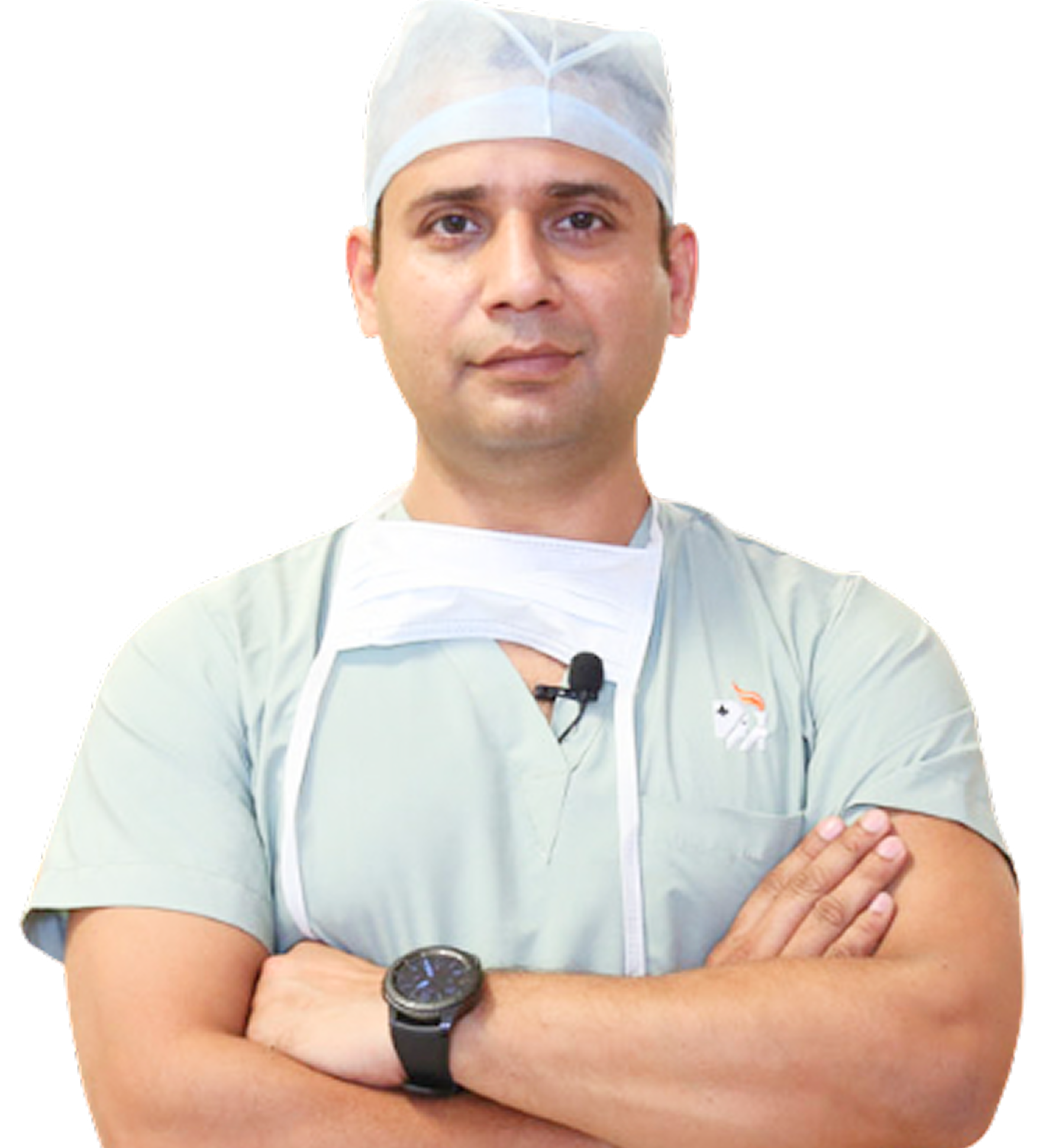
Author : Dr. Naveen SharmaDr. Naveen Sharma — Medical Director & Senior Joint Surgeon
Dr. Naveen Sharma (MS Ortho, MBBS) is recognized as one of India's foremost authorities on Direct Anterior Approach (DAA) Hip Replacement and Subvastus Muscle-Sparing Knee Arthroplasty.
Dr. Naveen Sharma
Recognized as Rajasthan’s foremost authority on Direct Anterior Approach (DAA) Hip Replacement and Subvastus Fast-Track Knee Arthroplasty with over 21 years of surgical tenure and 20,000+ completed procedures.
