
Athlete Knee Injury Treatment Jaipur

Quick answer: Athlete knee injury treatment Jaipur starts with stopping sprinting, jumping and pivot drills, then getting an orthopedic exam to decide whether the problem is overload, meniscus, ligament or cartilage injury. Many cases improve with load reduction and rehabilitation, but swelling, locking or instability need prompt specialist review.
What matters for this knee decision
- Track and field and decathlon athletes place high force through the knee during sprinting, landing and cutting.
- The World Health Organization says musculoskeletal conditions affect about 1.71 billion people worldwide and are a leading cause of disability.
- Athlete knee injury treatment should start with examination before random scans or guesswork.
- Meniscus, ligament, tendon and cartilage problems can look similar at first.
- Return to sport depends on pain, swelling, strength and testing, not only on calendar time.
Recent India athletics coverage has again shown how a knee injury can sit behind strong performance. That is why athlete knee injury treatment Jaipur should focus on the cause of pain, not only the ability to finish a session.
For persistent knee symptoms, a clear orthopedic review matters more than self treatment. If you want a broader overview of treatment options, see knee treatment in Jaipur.
The World Health Organization says musculoskeletal conditions affect about 1.71 billion people worldwide and remain a major cause of disability. That is not just a global statistic. It is a reminder that knee pain, if ignored, can change training, work and daily movement.
When should an athlete see a knee specialist?
An athlete should see a knee specialist when pain lasts more than a few days, swelling returns after training, the knee gives way, or landing feels unsafe. A specialist review is also sensible if speed, jump height or confidence drops every time training intensity increases.
Track and field, cricket, football and gym athletes often load the knee with sprinting, pivoting and landing. If that pattern keeps reproducing pain, the problem is more than ordinary soreness.
Do not wait for the next tournament if the knee is unstable. A timely review can prevent a minor overload issue from becoming a longer layoff.
What does athlete knee injury treatment usually start with?
Treatment starts with history, examination, swelling check, stability tests and a decision about whether X-ray or MRI is actually needed. The first goal is to identify the injured structure and the second goal is to protect the knee while it heals.
The AAOS knee conditioning program is a useful reminder that strength, flexibility and controlled return to sport are part of treatment, not extra work after treatment is over.
- Stop the exact drill that triggers pain, such as sprinting, jumping or repeated cutting.
- Check for swelling, bruising, locking, giving way or inability to bear weight.
- Use exam findings to decide whether X-ray, MRI or simple rehab is the right next step.
- Start load reduction, physiotherapy or bracing if the knee is stable and the injury looks minor.
- Escalate quickly if the knee feels unstable or the symptoms keep returning.
Which findings suggest a ligament, meniscus, tendon or cartilage injury?
The same knee pain can come from different structures. That is why athlete knee injury treatment Jaipur should separate overload pain from structural injury before treatment is chosen.
| What you notice | What it may suggest | Usual first step |
|---|---|---|
| Swelling within a few hours after a twist | Ligament injury or internal derangement | Clinical exam and possible MRI |
| Pain below the kneecap during sprinting or jumping | Patellar tendon overload | Load reduction and guided rehab |
| Locking or catching after a turn | Meniscus or cartilage injury | Specialist review and imaging if needed |
| Pain that returns after every hard session | Overload, technique or strength problem | Training load review and physiotherapy |
A plain X-ray can rule out fracture, alignment problems and some bone issues, but it does not show every internal injury. For a public overview of common knee symptoms, the NHS knee pain page is a helpful reference.
Is MRI always needed after sports knee pain?
No. Many athletes need a clinical exam first, and some need only rest, rehab or an X-ray. MRI becomes more useful when the knee is swollen, unstable, locked, or not improving, and when knowing the exact structure injured will change treatment.
That approach avoids over testing and also avoids missing a hidden meniscus, ligament or cartilage injury. If the history suggests a more complex problem, MRI can guide the next step before the athlete returns to spikes or hard training.
Can athlete knee pain heal without surgery?
Yes, many cases improve without surgery when the problem is overload, mild strain or early tendon irritation. Load reduction, physiotherapy, taping or bracing, medicine when appropriate, and a graded return plan can settle symptoms and restore confidence.
Surgery is considered when the knee is unstable, locked or structurally damaged. For selected cases, ACL reconstruction in India, meniscus treatment or indications for knee arthroscopy may become relevant. The goal is to choose surgery only when it clearly improves the final outcome.
- Non surgical care often works for overload pain and mild soft tissue irritation.
- Rehab should rebuild quadriceps, hamstrings, hip strength and landing control.
- If pain returns every time training load rises, the plan needs review.
How long does return to sport take after knee injury?
Simple overload injuries may settle in a few weeks, while meniscus, tendon and ligament injuries can take months. Return to sport should be based on pain, swelling, strength, hop testing and movement quality, not on a calendar alone.
Published sports medicine studies often place return to sport after ACL reconstruction around 9 to 12 months or longer, depending on rehabilitation, strength testing and the demands of the sport. That range is a guide, not a promise.
- Phase 1: swelling settles and walking becomes normal.
- Phase 2: strength and range of motion return.
- Phase 3: jogging, drills and landing control begin.
- Phase 4: sprinting, cutting and jumping are reintroduced.
- Phase 5: full sport return happens only after the knee proves it can cope.
For athletes in Jaipur, hard practice surfaces and quick tournament turnarounds often tempt early return. That is where a conservative plan helps more than bravado.
When to See a Doctor
Do not delay orthopedic review if the knee swells a lot, gives way, locks, deforms, or if you cannot bear weight. Fever, numbness, severe weakness or a pop followed by immediate instability are also warning signs.
- Large swelling within hours of injury
- Locking, catching or inability to fully straighten the knee
- Repeated giving way on landing or turning
- Unable to walk normally after rest
- Pain that keeps returning after each training session
- Any knee injury with fever or visible deformity
What the assessment should clarify
In my 21 years of practice in Jaipur, Clinicians often assess track and field athletes delay review because swelling settles by the next day. The hidden problem is that the knee may still be unstable, and returning to spikes too early can turn a short layoff into a long one. In Jaipur, hard practice surfaces, tournament travel and coaching schedules make load management especially important.
That is why I prefer diagnosis first, then a load plan, then return to sport testing. It protects both performance and long term knee health.
Frequently Asked Questions
What should an athlete do in the first 24 hours after knee pain?
Athletes should stop impact drills, reduce walking load, use ice if advised, and avoid testing the knee with sprints or jumps. If swelling appears quickly, the knee locks, or weight bearing feels unsafe, the athlete should seek orthopedic review rather than waiting for the next practice session.
Can I train through knee pain?
No. Short lived muscle soreness is different from swelling, locking, popping or instability. Training through a true knee injury can worsen meniscus, ligament or tendon damage and can delay return to sport. The safer choice is to pause the load and get the knee checked.
When is MRI needed?
MRI is most useful when the exam suggests meniscus, ACL, cartilage or tendon injury, or when symptoms are not matching a simple strain. It is not mandatory for every athlete. A good orthopedic exam should decide whether the scan will change treatment.
Can knee pain after sprinting heal without surgery?
Yes, many sprint related knee problems improve with load reduction, physiotherapy and technique correction. Surgery becomes more likely when the knee is unstable, locked, repeatedly swollen, or when imaging shows a tear that is unlikely to settle with rehab alone.
How long does it take to return to running?
Simple overload injuries may improve in a few weeks, while more significant injuries can take months. Return to running should be based on pain, swelling, strength and balance testing, not on a calendar alone. A gradual plan lowers the risk of setback.
Who should I consult in Jaipur?
For athlete knee injury treatment Jaipur, consult an orthopedic surgeon who regularly handles sports injury, knee arthroscopy and return to sport planning. Dr. Naveen Sharma offers diagnosis led assessment, imaging guidance, physiotherapy planning and second opinions at Advanced Knee and Shoulder Hospital, Mansarovar, Jaipur.
How to use this information: plan athlete knee injury treatment Jaipur early
Athlete knee injury treatment Jaipur works best when diagnosis comes before guesswork. If the knee is swelling, locking or failing under speed work, do not wait for the next event. Book a consultation with Dr. Naveen Sharma at Advanced Knee and Shoulder Hospital, 2, Lane 1, Sumer Nagar Extension, New Sanganer Road, Mansarovar, Jaipur, Rajasthan 302020.
Medical disclaimer: This article is for educational purposes only and is not a substitute for professional medical advice, diagnosis, or treatment. Please consult a qualified orthopedic surgeon for guidance specific to your condition.
Author : Dr. Naveen SharmaDr. Naveen Sharma — Medical Director & Senior Joint Surgeon
Dr. Naveen Sharma (MS Ortho, MBBS) is recognized as one of India's foremost authorities on Direct Anterior Approach (DAA) Hip Replacement and Subvastus Muscle-Sparing Knee Arthroplasty.
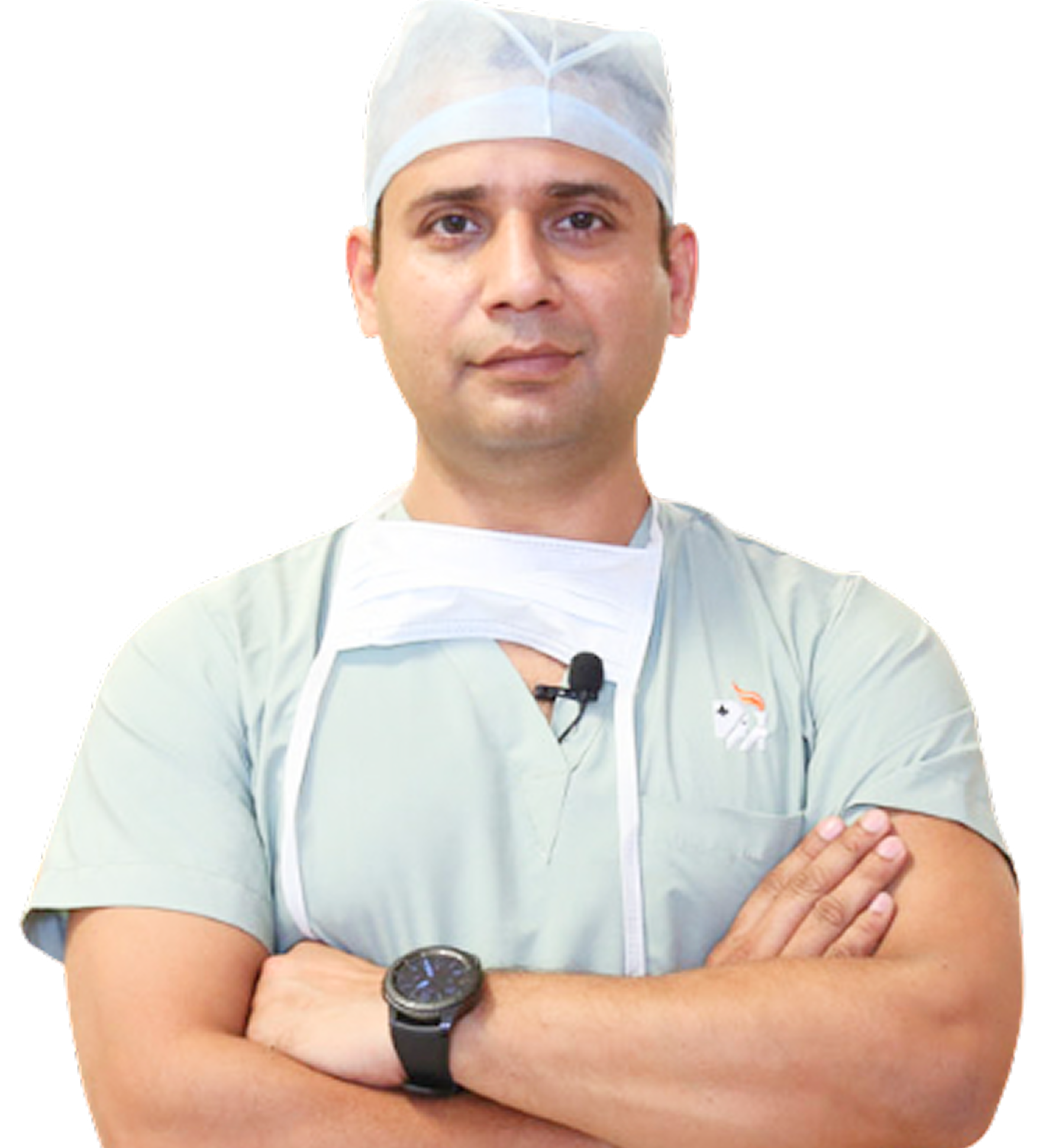
Dr. Naveen Sharma
Recognized as Rajasthan’s foremost authority on Direct Anterior Approach (DAA) Hip Replacement and Subvastus Fast-Track Knee Arthroplasty with over 21 years of surgical tenure and 20,000+ completed procedures.
