
Shoulder Dislocation and Latarjet Surgery in India: A Patient Guide

Latarjet surgery is not the default operation for every shoulder dislocation. It is considered mainly when recurrent instability is linked to meaningful bone loss, a failed previous stabilization, or a high-risk pattern in which soft-tissue repair alone may be unreliable. The decision should follow examination and imaging that define the direction of instability and the amount of bone involved.
Why the shoulder keeps dislocating
A first dislocation can damage the labrum, capsule, or bone. Repeated episodes may enlarge a socket defect or create a compression defect on the humeral head. Age at first injury, contact sport, overhead demands, joint laxity, and previous surgery all affect the chance of another episode.
When Latarjet enters the discussion
The procedure transfers a small piece of coracoid bone with attached tendons to the front of the socket. The aim is to improve stability in selected bone-loss or high-recurrence cases. A patient should ask why this operation is preferred over rehabilitation, arthroscopic Bankart repair, or another stabilization strategy.
What imaging should answer
MRI helps review the labrum, capsule, rotator cuff, and other soft tissues. CT may be used when bone loss must be measured more accurately. Imaging should answer a treatment question; it should not be ordered as a routine substitute for a careful instability examination.
Recovery needs staged protection
The repair needs protection before progressive motion and strengthening. Return to contact or overhead sport depends on healing, movement, strength, control, and confidence. A fixed calendar without examination cannot establish that the shoulder is ready.
How diagnosis changes the options
For shoulder dislocation and latarjet surgery in india: a patient guide, a shoulder-instability assessment should distinguish a first dislocation from recurrent slipping, review direction of instability, examine movement and strength, and use MRI or CT only when the result will change treatment planning. Rehabilitation may be appropriate after selected first-time injuries. Surgery is considered when instability recurs, bone loss or labral injury is important, sport or work creates high recurrence risk, or structured rehabilitation has not restored confidence and control.
Plan rehabilitation before treatment
When discussing shoulder dislocation and latarjet surgery in india: a patient guide, recovery depends on the injury and procedure. Protection, gradual motion, strength, and return-to-sport testing should be planned in stages, with warning signs reviewed at follow-up. Ask who will coordinate follow-up, which symptoms need urgent contact, and how the plan changes if progress is slower than expected.
Where general guidance stops
A general article cannot determine whether shoulder dislocation and latarjet surgery in india: a patient guide is the right pathway for one person. Symptoms may come from more than one structure, imaging findings do not always explain disability, and medical conditions can alter both treatment risk and recovery. The recommendation should be tied to a documented diagnosis and the patient's priorities.
If two opinions about shoulder dislocation and latarjet surgery in india: a patient guide differ, ask which examination finding, image, risk, or goal explains the difference. That comparison is more useful than choosing the shortest or most confident answer.
When not to wait for a routine visit
While researching shoulder dislocation and latarjet surgery in india: a patient guide, do not wait for a routine appointment if there is severe pain after a new injury, an obvious deformity, inability to use the limb, rapidly increasing swelling, new numbness or weakness, or fever with a hot joint. For persistent but non-emergency symptoms, note the movements that trigger the problem, how function has changed, and which treatments have already been tried.
Use these questions in consultation
- What diagnosis explains the symptoms and function loss?
- Which findings support the proposed treatment?
- What reasonable alternatives remain?
- What are the important risks and limitations?
- How will recovery and follow-up be measured?
Related information
Before deciding about shoulder dislocation and latarjet surgery in india: a patient guide, review shoulder instability care and Bankart repair information. For an examination-based plan, use the orthopedic consultation page.
Source
The discussion of shoulder dislocation and latarjet surgery in india: a patient guide uses AAOS shoulder instability guidance for general patient guidance. The source does not select treatment for an individual reader.
Medical disclaimer
This article is educational and cannot diagnose a condition or select treatment. Individual advice requires history, examination, appropriate imaging, and medical assessment.
Author : Dr. Naveen SharmaDr. Naveen Sharma — Medical Director & Senior Joint Surgeon
Dr. Naveen Sharma (MS Ortho, MBBS) is recognized as one of India's foremost authorities on Direct Anterior Approach (DAA) Hip Replacement and Subvastus Muscle-Sparing Knee Arthroplasty.
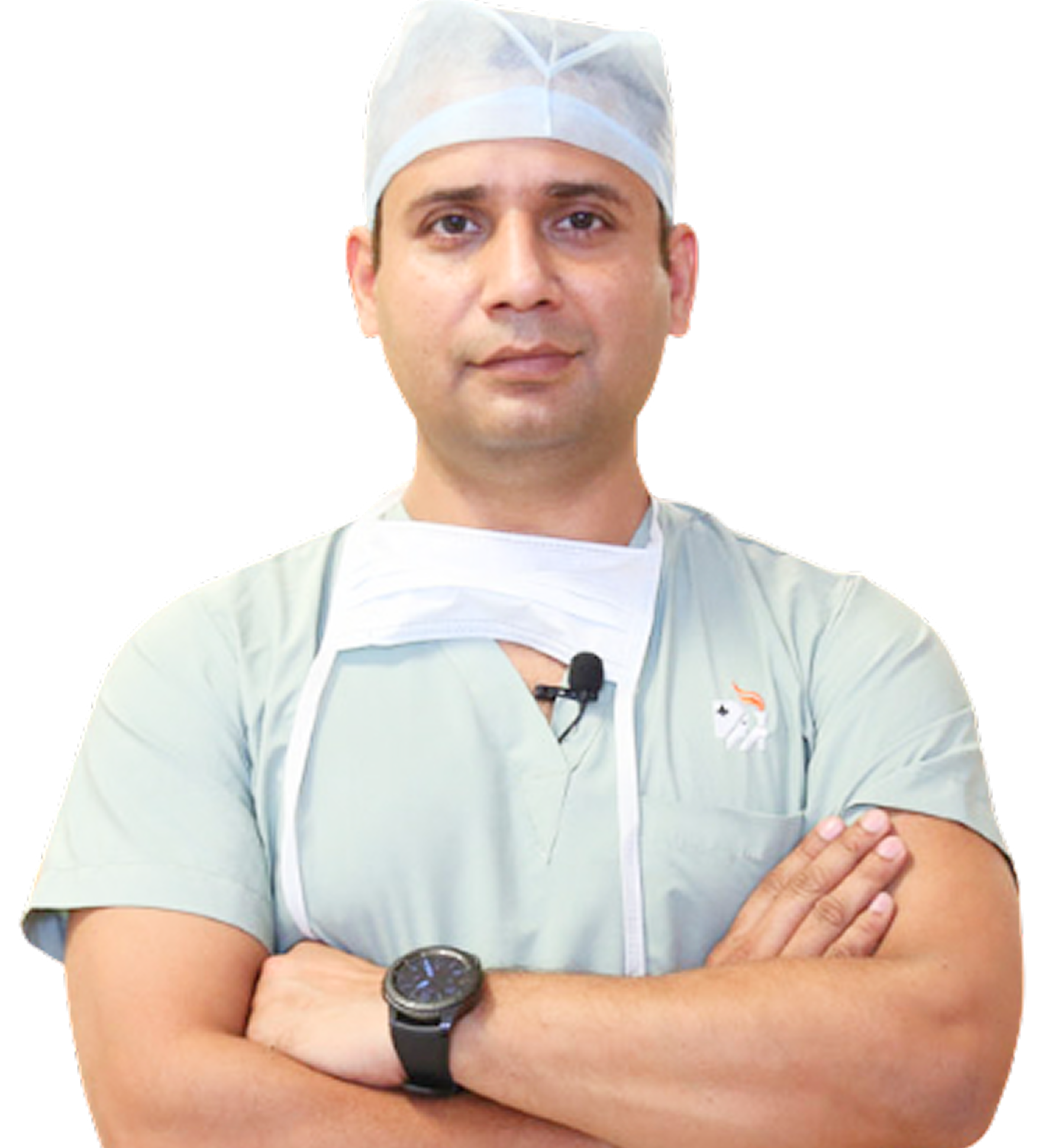
Dr. Naveen Sharma
Recognized as Rajasthan’s foremost authority on Direct Anterior Approach (DAA) Hip Replacement and Subvastus Fast-Track Knee Arthroplasty with over 21 years of surgical tenure and 20,000+ completed procedures.
